Manga are Japanese comics. Anime are Japanese animated shows and films. Most anime are adaptations of a manga, so the same story often exists twice, once on the page and once on screen, and fans argue endlessly about which version is better. The honest answer is that it depends on the series, and on what you want out of it.
Our anime glossary covers the basic terms (manga, manhwa, mangaka). This guide is the practical follow-up: what really changes when a manga becomes an anime, a set of real cases where the anime was better, worse or simply different, and a short checklist for deciding which one to start with, or how to pick up the manga where a season leaves off.
The two industries, in numbers
Manga is the bigger and older of the two businesses in Japan, and most anime exist partly to sell it. A few figures, with the caveat that they measure different things:
- Manga in Japan: about ¥704.3 billion in sales in 2024, a record, by the estimate of the publishing industry's Research Institute for Publications. Digital made up 72.7% of that. In 2025 the market dipped 1.7% to about ¥692.5 billion, its first decline in eight years, while the digital share rose to about 76%.
- Anime worldwide: the Association of Japanese Animations put the total anime market at a record ¥3.84 trillion in 2024, with overseas revenue (about 56%) now larger than the domestic market.
Those two numbers can't be compared directly. The anime figure counts everything from streaming deals to merchandise, music and live events worldwide; the manga figure is book and digital comic sales in Japan only. What they do show is the direction: manga is mostly read on phones now, and anime is increasingly made with overseas viewers in mind.
At the top end, a single manga can outsell almost anything in print. ONE PIECE passed 500 million copies published in 2022, which Guinness World Records recognized as the most copies published for one comic series by a single author.
What changes when a manga becomes an anime
1. Pacing
This is the biggest difference and the cause of most complaints. A weekly manga chapter in a magazine like Weekly Shōnen Jump is usually around 19 pages, and a TV episode covers somewhere around two to three chapters, depending on how dense they are. That sounds simple, but it means a fight that takes ten minutes to read can take three episodes to watch, or an arc the manga took a year to tell can be squeezed into four episodes. Neither the reader nor the viewer controls the speed of the other version.
When an anime runs out of manga to adapt, it either stops, adds original material, or invents its own ending. Our guide to filler covers what happens when a weekly show catches up to its source.
2. Color, sound and performance
Most manga is black and white, apart from occasional color pages. The anime decides what color everyone's hair is, what a spell sounds like, how fast a character talks. Voice acting changes characters more than people expect: a line that reads as cold on the page can sound playful in the right voice. Our seiyuu explainer covers the actors, and sub vs. dub covers what happens when the performance is redone in English.
3. What gets cut, and what gets added
Anime regularly cut side characters, inner monologue and short chapters that don't fit the season's plan. They also add things: expanded fight choreography, original scenes that smooth over a jump between arcs, and opening and ending songs that become part of how people remember a show.
4. Endings
The manga is the original. If an anime and its manga end differently, the manga ending is the "real" one as far as the author is concerned. But anime-original endings aren't automatically worse, and in at least one famous case below, both versions are worth your time.
When the anime arguably beats the manga
These are cases where the adaptation added something the page couldn't, usually through animation, music or a director with a strong vision.
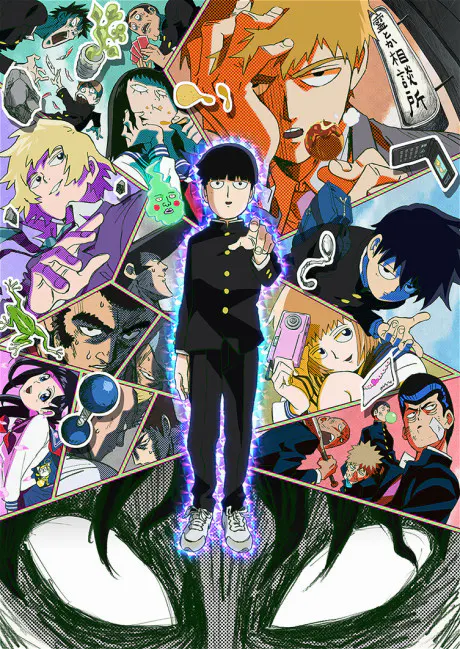
TV · 2016 · 12 episodes · bones · 84% on AniList · Sub & dub
Action, Comedy, Drama
Mob Psycho 100 is the standard example. ONE draws his manga in a deliberately rough, simple style. Studio Bones kept those simple character designs and then animated the psychic fights with painted effects, distortion and hand-drawn chaos, which is exactly what the story's big emotional moments needed. Episode 1 introduces Mob, a shy middle schooler with enormous psychic power, and his fraudulent "psychic consultant" boss Reigen, and the emotion counter that ticks up toward 100% on screen tells you exactly how the show will build its climaxes. The manga is complete and the anime adapts all of it across three seasons (Mob Psycho 100 watch order). More from the studio is in our best Bones anime guide.
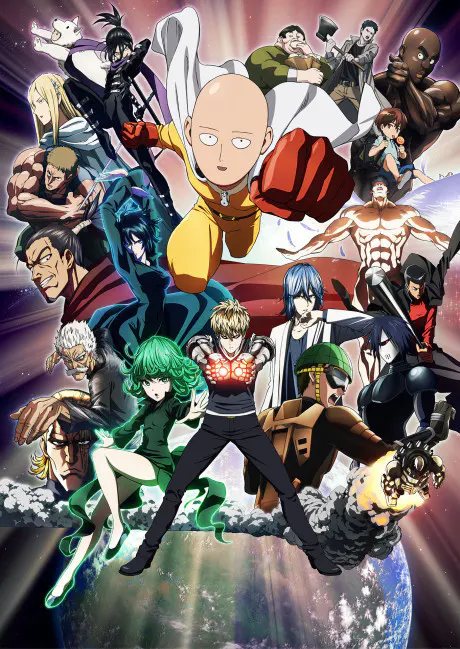
TV · 2015 · 12 episodes · MADHOUSE · 82% on AniList · Sub & dub
Action, Comedy, Sci-Fi
One-Punch Man shows how much the studio matters. The story began as ONE's webcomic, was redrawn as a manga by Yusuke Murata, and Madhouse's 2015 first season turned Murata's detailed art into some of the best-animated fights of the decade. Season 2 moved to J.C.Staff, with a different team and less animation time, and many fans felt the quality drop clearly. The manga is the same story throughout; the anime's value changed with who made it. The One-Punch Man watch order lists every season and OVA.
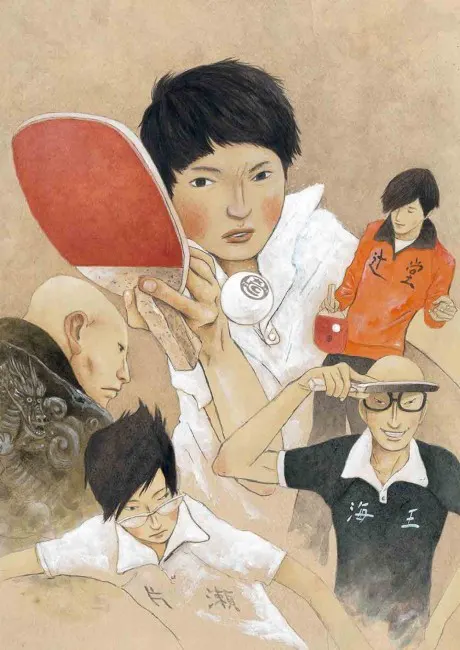
TV · 2014 · 11 episodes · Tatsunoko Production · 86% on AniList · Sub & dub
Drama, Psychological, Sports
Ping Pong the Animation adapts Taiyo Matsumoto's five-volume manga in 11 episodes, directed by Masaaki Yuasa. Yuasa's loose, sketchy animation suits Matsumoto's art, and the music and editing make the table-tennis matches feel like a heartbeat. Episode 1 introduces two childhood friends on a high-school team, one arrogant and one who never shows emotion, and it's a good test: if the art style puts you off, give it until the end of the first match. Our Masaaki Yuasa guide covers the director's other work.
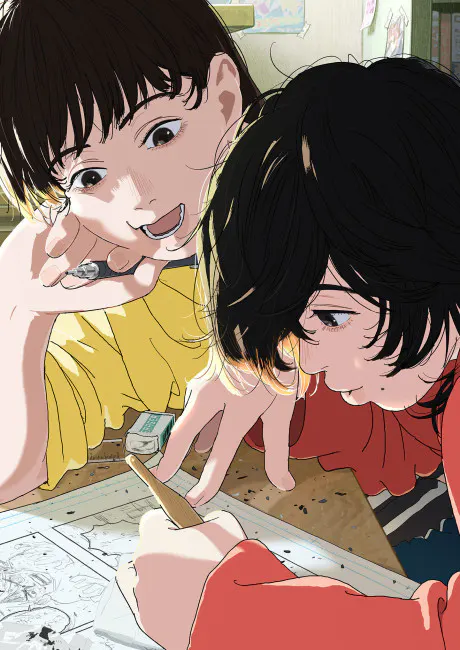
Movie · 2024 · Studio Durian · 86% on AniList · Sub & dub
Drama, Slice of Life
Look Back (2024) is an interesting reverse case: Tatsuki Fujimoto's one-shot manga is already about two girls who draw manga, and Studio Durian's hour-long film adds movement to their drawings and a score that the page can only suggest. It covers the whole one-shot, so reading and watching give you the same story in two forms. It's also a good film to watch if you're curious about what drawing manga actually involves.
When the manga is clearly better
And these are the cases fans point to when they say "read the manga instead."
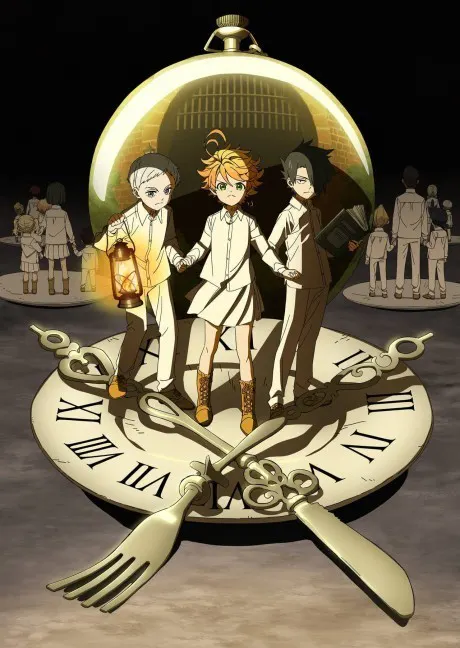
TV · 2019 · 12 episodes · CloverWorks · 83% on AniList · Sub & dub
Drama, Fantasy, Horror
The Promised Neverland has one of the best first seasons of any manga adaptation: CloverWorks' 12 episodes follow three children in a too-perfect orphanage who discover what it really is, and episode 1 ends on one of the great twists in recent anime. Then Season 2 skipped major arcs from the manga, rushed to an ending and summarized years of story in a closing montage. Watch season 1, then switch to the manga from the start of the escape arc onward. Our anime like The Promised Neverland guide has other thrillers in this mold.
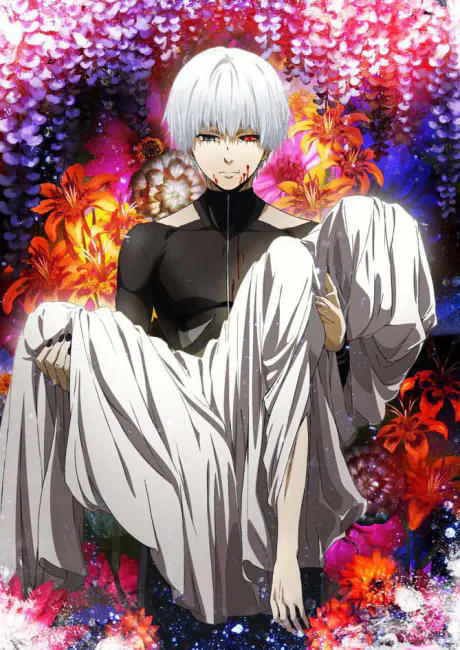
TV · 2015 · 12 episodes · Studio Pierrot · 67% on AniList · Sub & dub
Action, Drama, Horror
Tokyo Ghoul √A is the second season of Tokyo Ghoul, and it takes its own route away from Sui Ishida's manga, with the lead making a different choice at the start of the season. Some viewers like its moody tone, but the story it tells doesn't line up with the later seasons, Tokyo Ghoul:re, which go back toward the manga. If you care about the plot making sense, the manga is the reliable version. The Tokyo Ghoul watch order explains how the seasons connect.
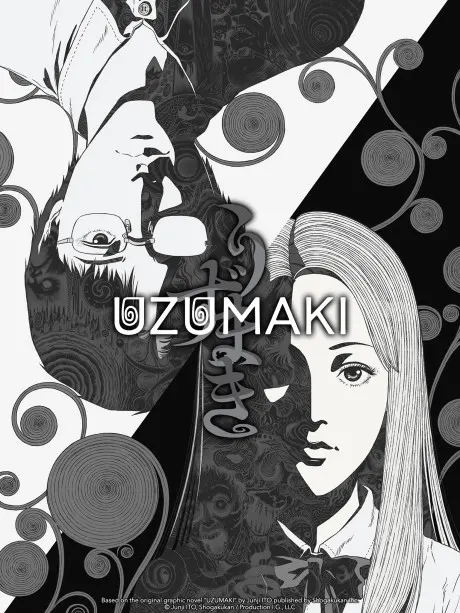
TV · 2024 · 4 episodes · Akatsuki · 54% on AniList · Sub & dub
Drama, Horror, Mystery
Uzumaki (2024) adapted Junji Ito's horror manga about a town consumed by spirals in four black-and-white episodes, in a style that closely copies Ito's linework. The first episode was widely praised. After years of delays, the later episodes were widely criticized for a clear drop in animation quality. It's still worth one episode to see what the faithful approach looks like, but Ito's manga is the definitive version.
When both are worth it, because they're different
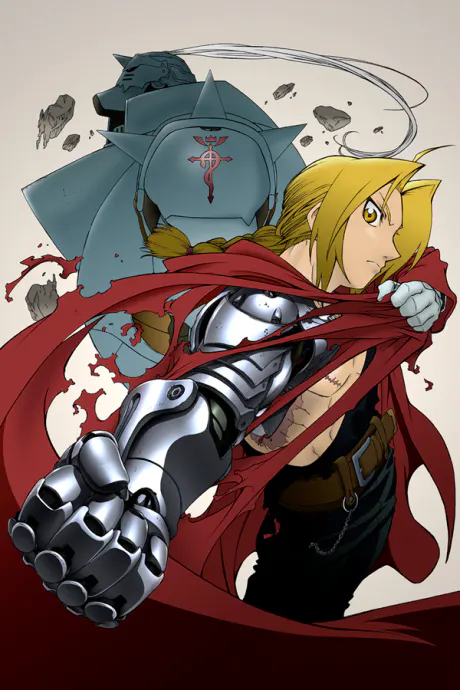
TV · 2003 · 51 episodes · bones · 79% on AniList · Sub & dub
Action, Adventure, Drama
Fullmetal Alchemist (2003) is the famous case. Bones' first adaptation caught up with Hiromu Arakawa's manga about halfway through and wrote its own second half and ending, with Arakawa's blessing but not her plot. In 2009, Fullmetal Alchemist: Brotherhood started over and followed the finished manga to the end. Both have fans. The 2003 version is darker and more focused on a few characters; Brotherhood is the story the author wrote. Our Fullmetal Alchemist watch order explains which to watch first.
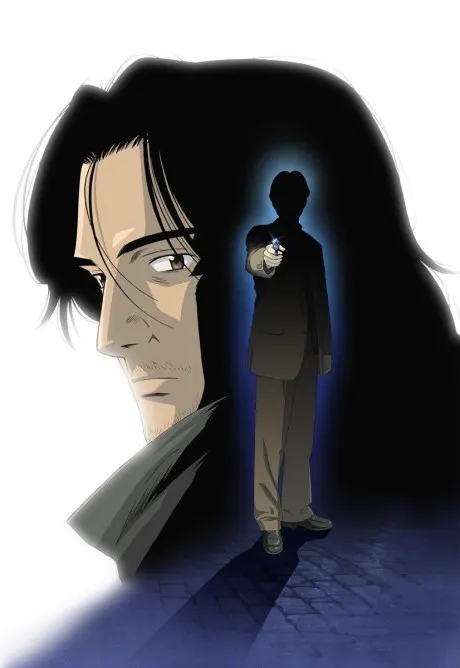
TV · 2004 · 74 episodes · MADHOUSE · 88% on AniList · Sub & dub
Drama, Horror, Mystery
Monster is the opposite approach, and a good choice if you want to skip the debate entirely. Madhouse's 74 episodes follow Naoki Urasawa's thriller about a surgeon who saves a boy's life and later learns the boy grew up to be a killer, and it stays very close to the manga from start to finish. The first episode is slow by design, setting up hospital politics before the story's central choice. If you watch it, there's little reason to read the manga afterward except to see Urasawa's art. It's on our best mystery anime list for good reason.
Which should you start with?
A short checklist that works for most series:
- Is the anime finished and faithful? (Monster, Mob Psycho 100, Brotherhood.) Watch it. You'll get the full story with the bonus of animation and music.
- Did the anime stop partway? Watch what exists, then switch. Most anime stop before their manga does, and many never come back.
- Is the anime known for diverging or rushing? (Promised Neverland season 2, Tokyo Ghoul √A.) Watch the good part, then read the rest.
- Is the manga's art the main appeal? (Junji Ito, Berserk, many seinen series.) Start with the manga. Our shounen vs. seinen explainer covers where these come from.
- Is the manga still running and the anime airing weekly? Either works, but readers will be ahead of you online. Mute keywords if you hate spoilers, and check the schedule to see when new episodes land.
- Do you not usually read comics? Start with the anime. If it hooks you, the manga will feel easier because you'll already know the characters.
Switching to the manga after an anime season
- Find the chapter, not the volume. Fan wikis for most series list which chapters each episode adapts. Back up a chapter or two from where the season ended, because anime often rearrange or trim the last few scenes.
- Read right to left. Official English manga keep the Japanese page order: start at what looks like the back of the book, and read each page from the top right panel to the bottom left. It takes about ten pages to stop noticing. Korean webtoons, by contrast, scroll vertically.
- Use legal readers. Shueisha's MANGA Plus app and Viz's Shonen Jump service publish new chapters of Jump series in English at the same time as Japan, and the most recent chapters are free. Other publishers have their own apps and digital storefronts.
- Remember the anime may not be over. If a show is popular, a new season can arrive years later. Our guide to anime seasons explains why gaps happen, and our how anime adaptations work explainer covers how studios decide what to adapt.
Try both on the same night
If you want to see these differences for yourself, a good test is to watch the first episode of a show and read its first chapter on the same night. The Discover feed plays episode-1 previews back to back, which makes the comparison quick. For somewhere to start, the action and psychological genres are where adaptation differences are easiest to spot: fights show off animation, and psychological stories show what's lost when inner monologue is cut. And if the show you finish turns out to be the rare one that improves in later seasons, our list of anime that get better later is the next stop.
Related explainers
- What is a light novel?: the other big source of anime, and how it differs from manga.
- What is filler?: what anime do when they run out of manga.
- How anime is made: the steps between a manga page and a finished episode.
- How to watch anime in order: sorting out seasons, films and OVAs once you're hooked.