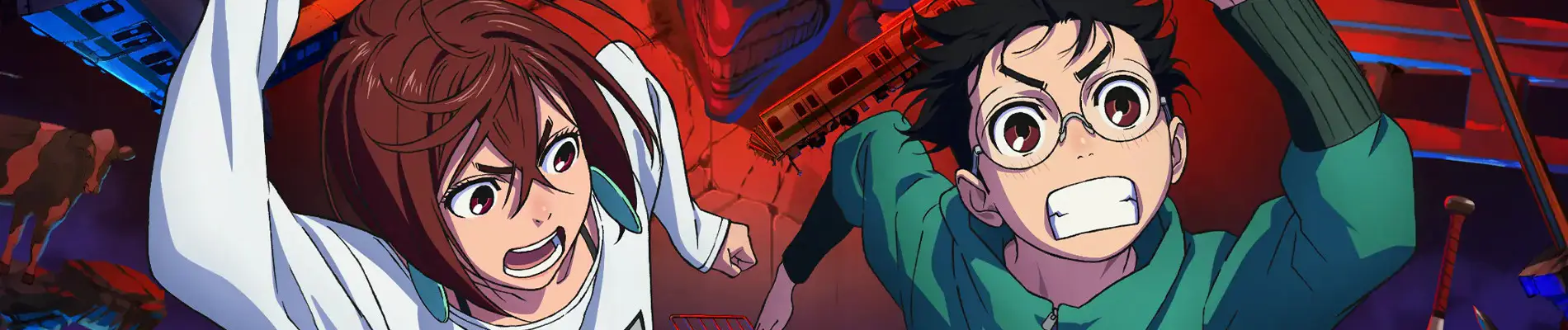
Isekai (異世界) is Japanese for "another world" or "different world." As an anime label, it means a story where someone from our world ends up in a different one: summoned by a ritual, reborn after dying, pulled through a portal, or trapped inside a video game. The new world is usually a fantasy setting with magic and monsters, and the fun comes from watching an outsider figure it out.
That's the short version. The longer one is more interesting, because "isekai" now covers everything from 1990s shoujo fantasy to comedies about a man reborn as a vending machine. This explainer covers where the genre came from, the main types you'll run into, how to tell them apart, and which shows are good examples of each. It's part of our anime glossary, which defines the other terms you'll see here, like light novel and OVA. If you just want the best shows, skip to our ranked best isekai anime list.
What makes a story isekai?
A story counts as isekai when three things are true:
- The main character starts in a world like ours, usually modern Japan.
- They move to a different world, by any method: death, summoning, a portal, a game.
- Their outside knowledge matters. Memories of the old life, modern know-how, or gamer instincts shape what they do in the new one.
The third point is what separates isekai from ordinary fantasy. Frieren is set in a fantasy world, but nobody in it came from anywhere else, so it isn't isekai. Solo Leveling has game-style menus and levels, but it takes place in a version of our world, so it isn't either (our anime like Solo Leveling guide covers that lane instead).
Isekai also isn't a demographic. It turns up in shounen, seinen and shoujo stories alike; our shounen vs. seinen explainer covers what those labels mean. On our site you won't find an "isekai" genre page, because the database we use treats isekai as a tag, not a genre. Most isekai shows sit under fantasy and adventure.
Isekai before it had a name
Stories about people falling into other worlds are much older than anime. Western readers know them from Alice in Wonderland, The Wizard of Oz and Narnia, which scholars call "portal fantasy." Anime had its own versions for decades before the word isekai became a genre label.
Sunrise's Aura Battler Dunbine (1983) sent a motocross rider into a fantasy world called Byston Well to pilot insect-like mecha. In 1995, the OVA El-Hazard: The Magnificent World dropped a high schooler and his classmates into a desert fantasy world. The same decade gave us the shoujo series Fushigi Yugi, where a schoolgirl is pulled into the pages of an old book set in a mythic version of ancient China. Here are three earlier shows we have on the site.
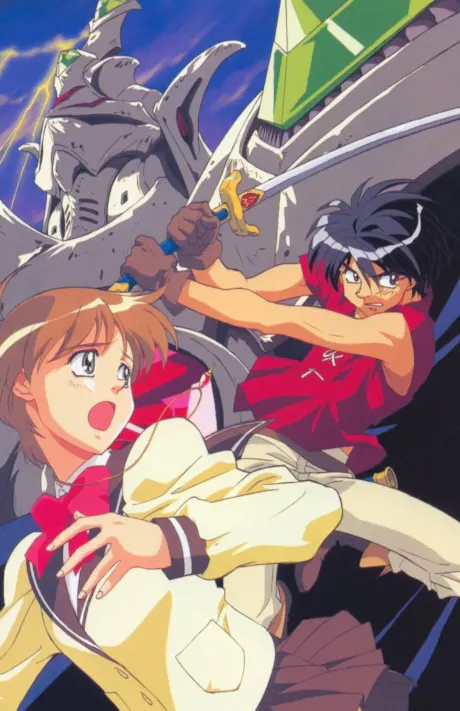
TV · 1996 · 26 episodes · Sunrise · 73% on AniList · Sub & dub
Adventure, Fantasy, Mecha
Vision of Escaflowne (1996) is the classic. Hitomi Kanzaki, a high-school track runner who reads tarot cards, is pulled to the planet Gaea in the first episode and finds herself in the middle of a war between kingdoms using giant knight-shaped mecha. Sunrise mixed shoujo romance, mecha battles and fantasy politics, and Yoko Kanno's score is still one of the best in anime. It works as a time capsule of what isekai looked like before the formula settled.
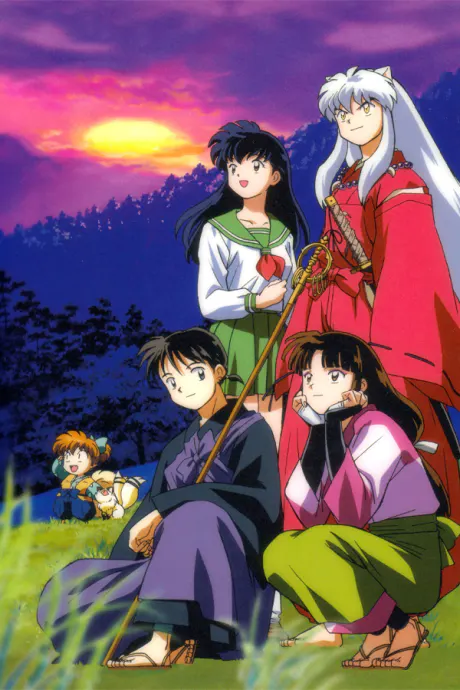
TV · 2000 · 167 episodes · Sunrise · 77% on AniList · Sub & dub
Action, Adventure, Comedy
InuYasha (2000) is a time-slip story, which some viewers count as isekai and some don't. Kagome falls down a well behind her family's shrine and comes out in feudal Japan, full of demons, where she frees a half-demon pinned to a tree. Rumiko Takahashi's manga became a 167-episode Sunrise series with plenty of filler, so check the InuYasha watch order before you commit.
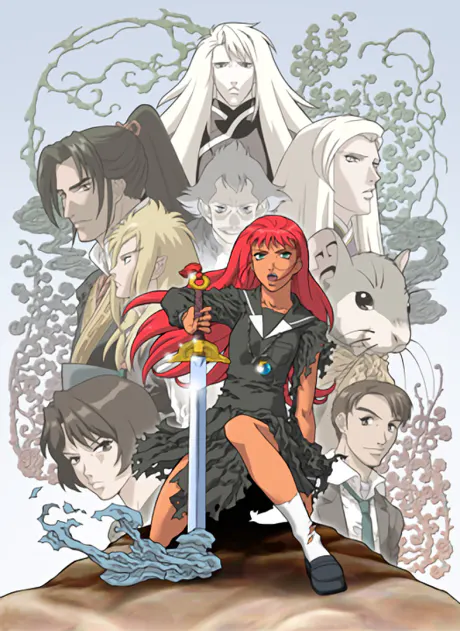
TV · 2002 · 45 episodes · Studio Pierrot · 77% on AniList · Sub & dub
Action, Adventure, Fantasy
The Twelve Kingdoms (2002) is the serious, slow-burn take, adapted from Fuyumi Ono's novels. Youko Nakajima, a timid student, is dragged into a world governed by strict rules and divine mandates, and the show is far more about what that does to her than about adventure. Pierrot's 45-episode series is a good pick if modern isekai feels too light.
Spirited Away belongs on this list too: Chihiro wanders through a tunnel into a spirit world in one of the most famous portal stories ever made. It's rarely called isekai, but it fits the definition.
How the modern boom happened
The genre exploded in the 2010s, and the reason is mostly the internet. Shōsetsuka ni Narō ("Let's Become a Novelist"), a free Japanese site where anyone can post serialized novels, filled up with another-world stories. Publishers began picking the most popular ones up as light novels, and anime adaptations followed. Re:ZERO, Mushoku Tensei, KONOSUBA, The Rising of the Shield Hero, That Time I Got Reincarnated as a Slime and Ascendance of a Bookworm all began as web novels on that site. Their seasons are sorted in the Re:ZERO, Mushoku Tensei and Slime watch orders.
Online origins also explain the genre's famous habits:
- Long titles. On a site with thousands of stories, a title that summarizes the premise gets clicks. That's how you get names like Reborn as a Vending Machine, I Now Wander the Dungeon, which is exactly what it sounds like (and yes, it has a watch order).
- "Truck-kun." So many heroes die by being hit by a truck before being reborn that fans gave the truck a nickname.
- Status screens and skills. Many writers borrowed role-playing game menus as a quick way to show progress.
- Overpowered heroes. Wish fulfillment sells, so many isekai give the lead a huge advantage early. The better shows find other sources of tension.
Sword Art Online (2012) is the show that pushed this wave into the mainstream, even though it's technically not a different world at all. More on that below.
The main types of isekai, with an example of each
Fans use a handful of sub-labels. They overlap, but knowing them makes it easier to find the kind of story you want.
1. Summoned: called to another world on purpose
Someone in the other world performs a ritual to bring a hero over, usually to fight a war or a demon lord. The hero keeps their own body and memories.
The Rising of the Shield Hero is the best-known example. Naofumi is one of four men summoned as legendary heroes, but he gets the shield, the weakest role, and in the first few episodes he's betrayed and framed for a crime. It's a revenge-and-recovery story more than a power fantasy at first. Seasons are listed in the Shield Hero watch order.
2. Reincarnated: born again with old memories
The hero dies in our world and is reborn in the new one, often as a baby, sometimes as something stranger. Japanese fans call this tensei (reincarnation), and you'll see that word in many titles.
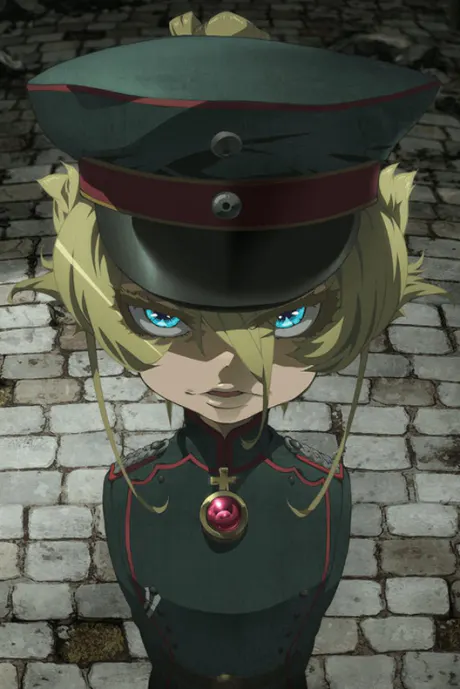
TV · 2017 · 12 episodes · NUT · 78% on AniList · Sub & dub
Action, Fantasy
Saga of Tanya the Evil is a darker example. A ruthless Japanese salaryman is pushed in front of a train by a man he fired, then reborn by a god-like being as a little girl in a world resembling early 20th-century Europe at war. Tanya becomes a terrifyingly efficient mage officer while trying to secure a safe desk job. Studio NUT's series is military fantasy with a very unlikeable lead on purpose, and the Tanya watch order covers the movie and the second season. For the gentler, more famous reincarnation stories, see our guides to anime like Mushoku Tensei and That Time I Got Reincarnated as a Slime.
3. Trapped in a game
The characters log into a virtual reality game and can't log out, or wake up inside a game world that has become real. This is the most debated type, since the world is either digital or game-based rather than truly separate.
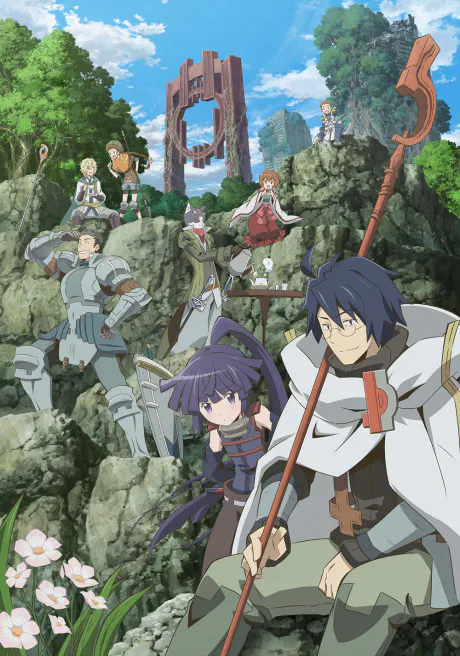
TV · 2013 · 25 episodes · Satelight · 76% on AniList · Sub & dub
Action, Adventure, Fantasy
Log Horizon is the thoughtful version. Thirty thousand Japanese players are suddenly stuck inside an online game, and instead of a death-game thriller, the show is about what they do next: forming guilds, setting up a government, and working out how to live alongside the game's non-player characters, who turn out to be people. Shiroe, the strategist lead, solves problems with planning, not swords. Its seasons are in the Log Horizon watch order.
Overlord flips it: when a game shuts down, a player stays logged in as his skeletal undead king character, and the game world becomes real around him. He's the villain by the world's standards. Seasons and movies are in the Overlord watch order. Sword Art Online is the other big name here, covered in the SAO watch order.
4. Reverse isekai: the fantasy comes to our world
Here a character from a fantasy world lands in ours, or a hero returns home after years away. The comedy comes from magic meeting rent, smartphones and convenience stores.
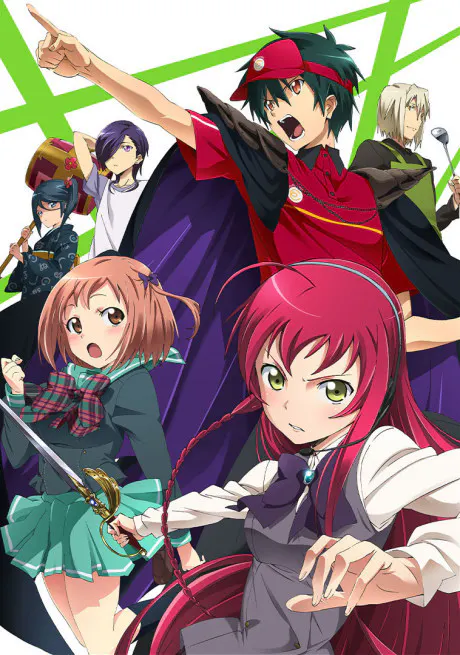
TV · 2013 · 13 episodes · WHITE FOX · 75% on AniList · Sub & dub
Comedy, Fantasy, Romance
The Devil is a Part-Timer! is the go-to example. A demon lord, losing a war in his home world, escapes through a portal and ends up in Tokyo with almost no magic, so he gets a job at a fast-food restaurant and takes it very seriously. White Fox's 2013 first season is the strongest; the watch order covers the later seasons.
TV · 2022 · 13 episodes · Atelier Pontdarc · 76% on AniList · Sub & dub
Adventure, Comedy, Fantasy
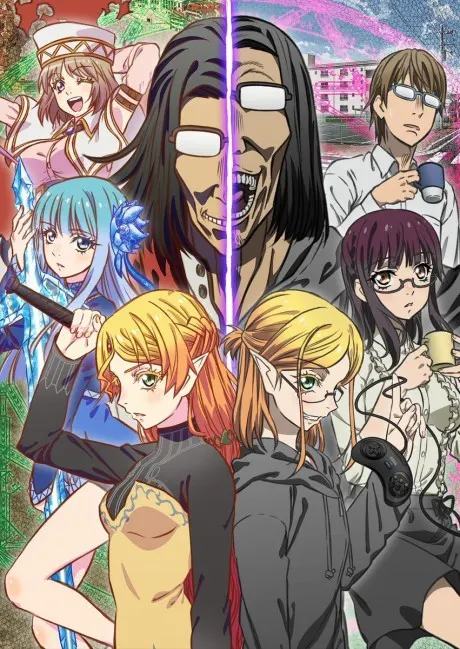
Uncle from Another World is a newer twist. A man wakes from a 17-year coma, which he spent as a hero in a fantasy world, and moves in with his nephew, who starts uploading his uncle's magic to YouTube. The jokes come from a man who missed two decades of culture, and from the fact that he was badly misunderstood in the other world too.
5. Villainess and otome isekai
A sub-genre aimed largely at women. The heroine is reborn as a character in an otome game (a romance video game), usually the villainess whose route ends in exile or death, and she has to dodge that fate.
My Next Life as a Villainess: All Routes Lead to Doom!
TV · 2020 · 12 episodes · SILVER LINK. · 73% on AniList · Sub & dub
Comedy, Fantasy, Romance
Watch My Next Life as a Villainess: All Routes Lead to Doom!
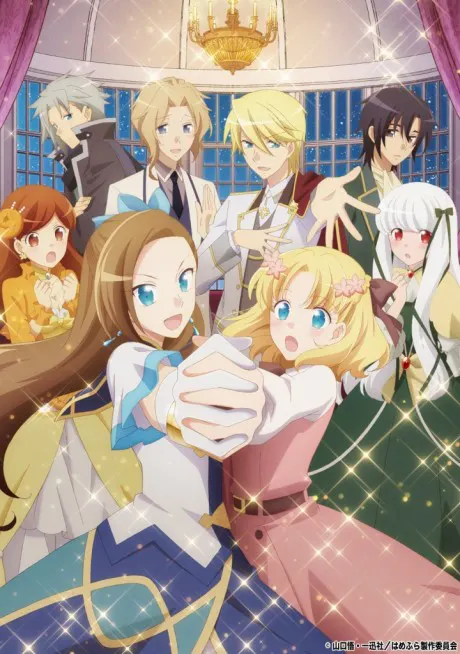
My Next Life as a Villainess: All Routes Lead to Doom! made this type popular in anime. Catarina Claes remembers her past life after a knock on the head at age eight and realizes every ending for her character is bad. Her plan to avoid doom, mostly by being nice to everyone and farming, accidentally makes the whole cast fall for her. It's a light comedy, and its sequel is in the villainess watch order. Fans of romance-first stories should also try the best shoujo anime list.
6. Slow-life and non-combat isekai
Not every isekai hero wants to fight. Some open shops, cook, farm or, in one case, make books.
TV · 2019 · 14 episodes · Ajiado · 78% on AniList · Sub & dub
Fantasy, Slice of Life
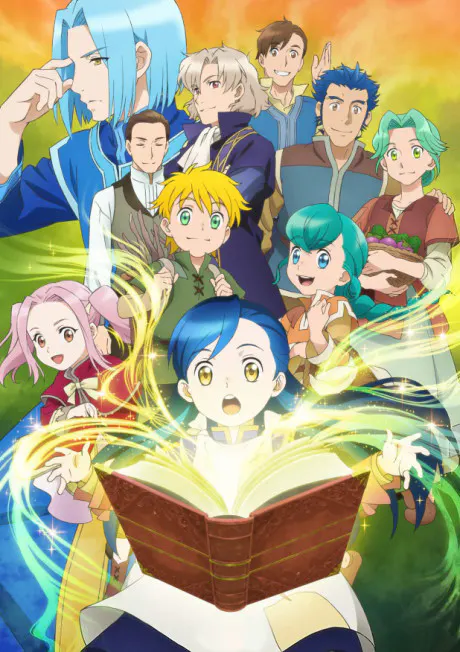
Ascendance of a Bookworm follows a Japanese book lover who dies and is reborn as Myne, a sickly child in a poor family in a world where books are rare luxuries. So she sets out to make paper and print them herself. The first episodes are slow and domestic on purpose; the payoff is watching her change a whole society through craft and stubbornness. Seasons are in the Bookworm watch order.
TV · 2017 · 12 episodes · SILVER LINK. · 72% on AniList · Sub & dub
Fantasy, Slice of Life
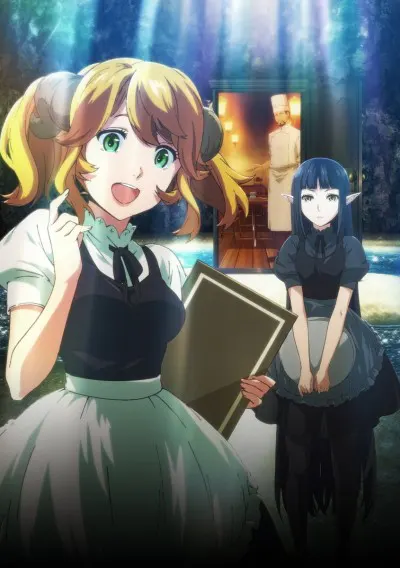
Restaurant to Another World is a portal story with almost no plot: a Tokyo diner's back door opens onto a fantasy world every Saturday, and elves, dragons and knights come in for curry and fried shrimp. Each episode is a gentle food vignette. If that appeals, see our best cooking anime list.
7. Historical figures in a fantasy world
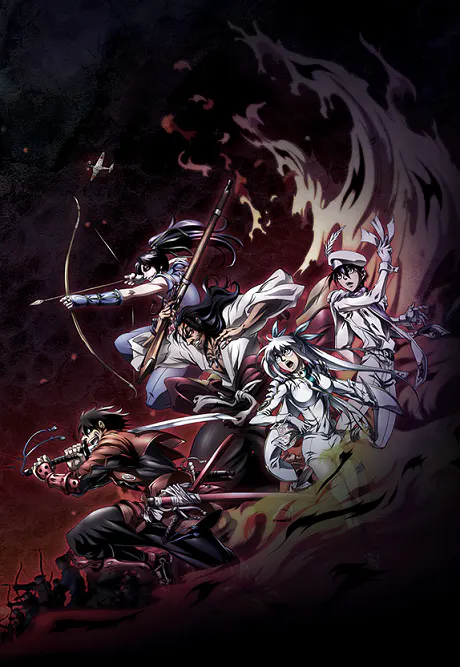
TV · 2016 · 12 episodes · Hoods Entertainment · 75% on AniList · Sub & dub
Action, Adventure, Comedy
DRIFTERS, from Hellsing creator Kouta Hirano, pulls real warriors from history into a fantasy world at war. The first episode opens with samurai Shimazu Toyohisa, dying after the Battle of Sekigahara, waking in a white corridor and being sent through a door, where he soon meets Oda Nobunaga. It's violent, loud and darkly funny, and very different from the usual isekai lead.
The parody: KONOSUBA
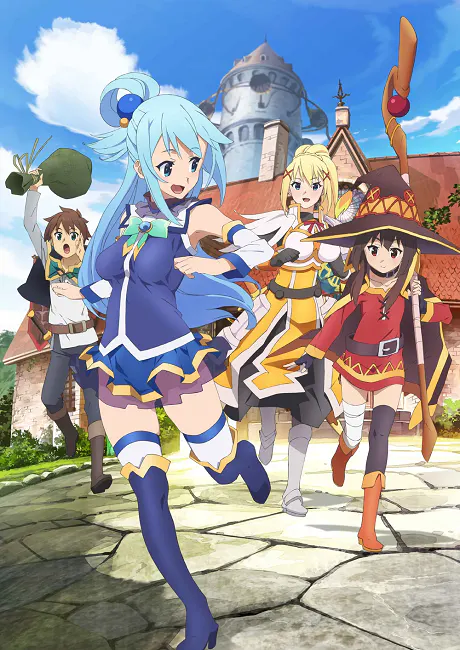
KONOSUBA -God's blessing on this wonderful world!
TV · 2016 · 10 episodes · Studio DEEN · 79% on AniList · Sub & dub
Adventure, Comedy, Ecchi
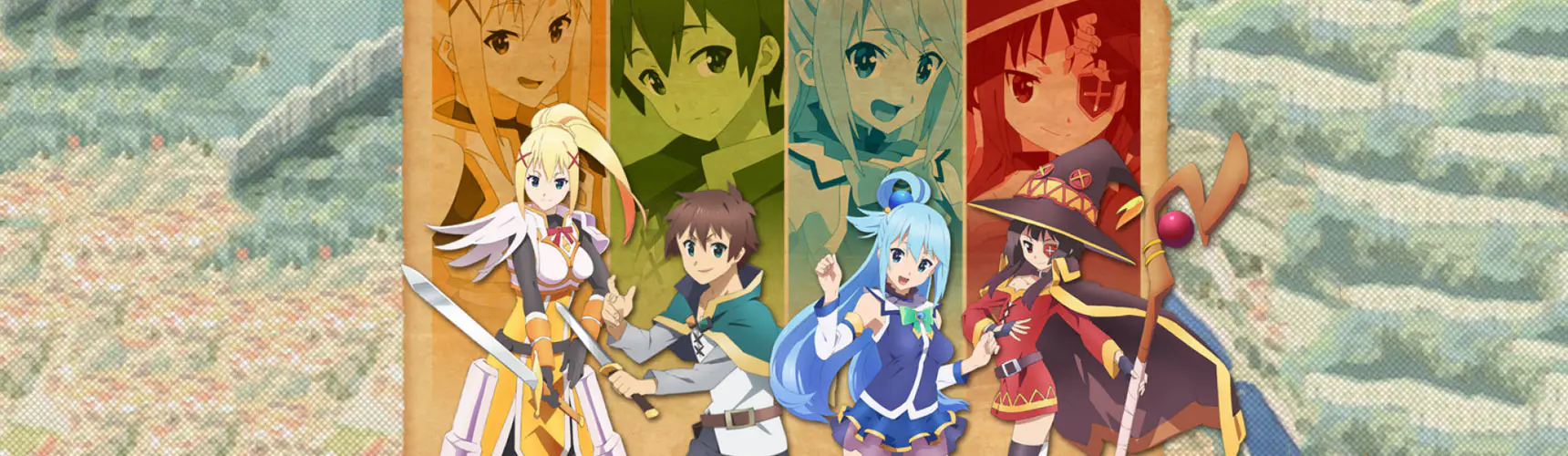
Once a genre has clichés, someone makes fun of them. KONOSUBA is that show. Kazuma dies of shock in episode 1 because he thought a slow tractor was a truck about to hit someone, and when a goddess lets him pick one item to bring to the new world, he picks the goddess herself, who turns out to be useless. His party is a mage who can cast one spell per day and a knight who wants to get hurt. It works best after you've seen a few straight isekai, because it spends most of its time undercutting them. The movie and spin-offs are in the KONOSUBA watch order.
Is it isekai? The debated cases
- Sword Art Online: most lists count it, since the players are trapped in a world they can't leave. Purists say it's a virtual reality story, not another world. Both views are common.
- InuYasha: a trip to Japan's past, not to a different world. Usually counted as an early isekai anyway.
- Re:ZERO: definitely isekai, though nothing explains why Subaru was transported for a long time. If you liked its dark take, our anime like Re:ZERO guide has more.
- Frieren, Made in Abyss, Fullmetal Alchemist: fantasy, but not isekai. No one in them comes from our world.
Who isekai suits, and who should skip it
Try it if you like fantasy but want a relatable entry point: the hero knows as little about the world as you do, so the exposition comes naturally. It's also good for gamers, since many shows borrow role-playing game logic.
Be choosy if you dislike wish fulfillment. Plenty of isekai give the lead overwhelming power and a harem by episode 3. The shows above were picked partly because they don't, or because they make fun of it.
Isekai seasons tend to come in pieces, often with "Part 2" or "Cour 2" in the title and long gaps between them. Our guide to how anime seasons work explains why. And since almost every show on this page has an English dub on the site, our sub vs. dub guide may help you pick how to watch.
Want to sample a few first episodes before choosing? Swipe through our Discover feed, or browse the catalog by genre.