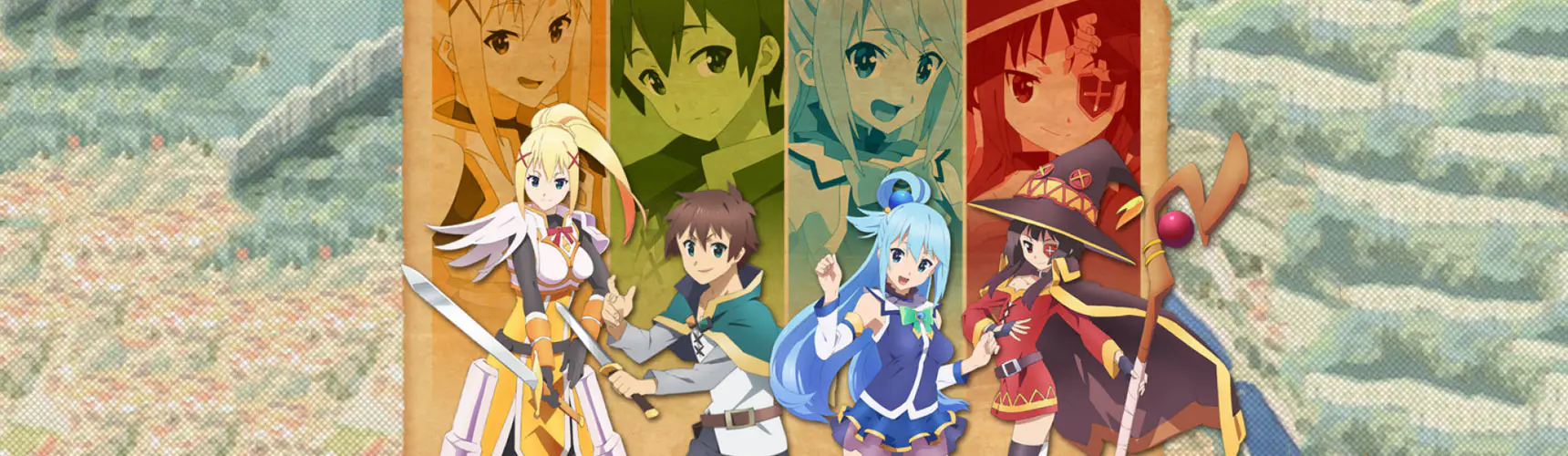
A light novel is a Japanese paperback novel written mostly for teenagers and young adults, with a cover in anime-style art and a handful of black-and-white illustrations inside. It's prose, not comics: you read paragraphs, and every chapter or so a full-page drawing shows you what a character looks like. Fans shorten the term to "LN" in English and ranobe in Japanese.
That definition is in our anime glossary already. This article goes further: what the format physically is, who coined the term, how a new series gets published, why light novels are behind so many anime, and what to do when the anime stops and you want the rest of the story. Along the way we'll clear up the one mix-up that trips up almost every new fan, which is the difference between a light novel and a visual novel.
What a light novel looks like
Most light novels are published as bunkobon, Japan's standard small paperback, A6 size, about 10.5 by 14.8 centimeters. That's smaller than a typical English paperback and fits in a jacket pocket, which matters in a country where a lot of reading happens on trains. A volume usually has:
- A full-color cover and a few color pages at the front, often a fold-out poster or a cast lineup.
- Black-and-white illustrations scattered through the text, usually a handful per volume, often at key scenes.
- Short chapters and a lot of dialogue. The writing is built to move fast. First-person narration is common.
- A named illustrator on the cover next to the author. The illustrator designs the characters, which is why their art becomes the basis for the anime's character designs.
New volumes arrive every few months, so a popular series can run for 15 or 20 volumes over a decade. Kazuma Kamachi, the author of A Certain Magical Index (watch order), is famous in the industry for having written roughly one novel a month for two years straight.
"Light" is about the label, not the weight
The word "light" makes people assume these are simple or short. Some are, but plenty aren't. Spice and Wolf spends whole chapters on currency exchange rates. Kino's Journey is closer to a book of philosophical fables. Baccano! juggles dozens of characters across three timelines.
The best way to think about "light novel" is as a publishing category, like "young adult" in English bookstores. A book is a light novel because a light novel imprint published it, with that cover style, for that audience. The clearest proof: Oricon's light novel sales chart, which tracks print sales in Japan, has been topped in recent years by novelizations of Makoto Shinkai's films, which are not what most fans picture when they hear "light novel" at all.
Light novel vs. manga vs. visual novel
These three get confused all the time, especially in anime summaries that just say "based on the novel."
- Light novel: a book of prose with some illustrations. You read it like any novel.
- Manga: a comic. The story is told in panels, and art does most of the work. Many light novels get a manga adaptation too, so the same story can exist in both forms. Our manga vs. anime guide covers how comics and their adaptations compare.
- Visual novel: a video game. You read text over character art on a screen and make choices that change the story. Steins;Gate, Clannad and Fate/stay night are visual novels, not light novels, which is why their anime feel different: they're adapting branching routes, not a single line of chapters. The Fate watch order explains how those routes became separate anime.
There's also the web novel: fiction posted online, often for free, before a publisher picks it up. Most modern isekai began this way, a pipeline our isekai explainer walks through in detail.
Where light novels came from
Japanese publishers were selling illustrated genre paperbacks for teenagers by the 1970s; Sonorama Bunko, launched in 1975, is often named as an early example. But the term "light novel" itself is usually credited to Keita Kamikita, who ran a science fiction and fantasy forum on the NIFTY-Serve online service and coined it around 1990 for this kind of book.
The early hits were fantasy adventure. Two from that era are on our site.
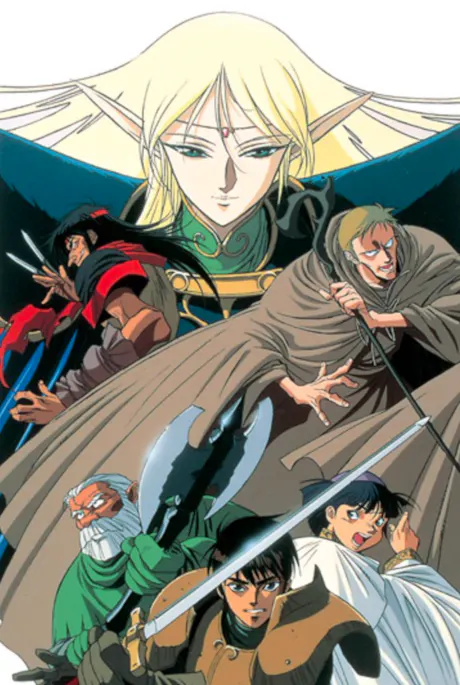
OVA · 1990 · 13 episodes · MADHOUSE · 70% on AniList · Sub & dub
Action, Adventure, Fantasy
Record of Lodoss War has an unusual origin: Ryo Mizuno's story started as written-up replays of tabletop role-playing sessions in a Japanese game magazine before becoming a series of novels. The 1990 Madhouse OVA is 13 episodes of classic party-based fantasy, with an elf, a dwarf, a wizard and a knight on a cursed island, and its elf heroine Deedlit is often cited as the template for how anime drew elves afterward. Episode 1 opens with a raid on a village and the party forming, so you know within 25 minutes whether this old-school tone works for you. It's also a good example of the OVA format, which our OVA explainer covers.
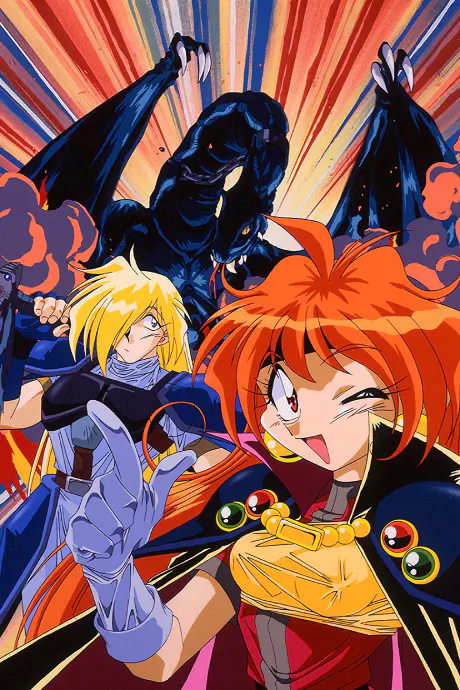
TV · 1995 · 26 episodes · E&G Films · 74% on AniList · Sub & dub
Adventure, Comedy, Fantasy
The Slayers (1995) adapts Hajime Kanzaka's novels from Fujimi Fantasia Bunko, one of the earliest light novel imprints. Lina Inverse is a teenage sorceress who blows things up for money, and the show is mostly comedy with a fantasy plot underneath. If you've ever wondered where the overpowered, greedy, food-obsessed fantasy heroine comes from, it's largely here. It's a 1990s TV series, so expect a slower start and episodic early adventures.
The 2006 boom
Light novels were already a solid business, but the 2006 anime of The Melancholy of Haruhi Suzumiya turned them into a phenomenon. The Kyoto Animation series was a huge hit, sold the books in large numbers, and convinced publishers and studios that light novels were the best place to find the next big anime.
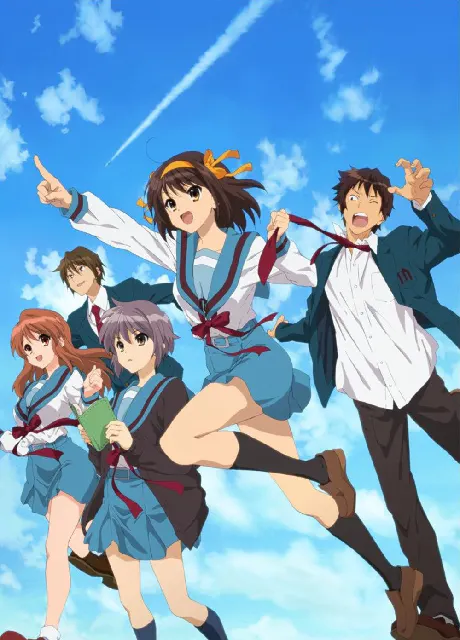
The Melancholy of Haruhi Suzumiya
TV · 2006 · 14 episodes · Kyoto Animation · 76% on AniList · Sub & dub
Comedy, Mystery, Sci-Fi
Nagaru Tanigawa's novels, illustrated by Noizi Ito and published by Kadokawa's Sneaker Bunko, follow Kyon, a sarcastic high schooler dragged into a club run by Haruhi, who wants to meet aliens and time travelers and has no idea that she may be the most dangerous person in the universe. The first episode is famously confusing, because the 2006 broadcast shuffled episodes out of order and opened with a deliberately amateurish student film. If you're new, use the Haruhi watch order, which lists the TV series and the film The Disappearance of Haruhi Suzumiya (2010). That film adapts the fourth novel and is the last major story the anime has told; several of the later novels have never been animated.
The numbers from that period show how big the format got. One industry estimate put light novel sales at ¥30.1 billion in 2009, about a fifth of all bunko paperback sales in Japan. Kadokawa and its imprints held an estimated 70 to 80% of the market, and they still dominate it.
How a light novel gets published
There are two main routes into print, and they shape what kinds of stories you see.
Route 1: win a publisher's contest
Every major imprint runs a newcomer prize. The best known is the Dengeki Novel Prize from Kadokawa's Dengeki Bunko, which offers a Grand Prize, a Gold Prize and a Silver Prize, plus a book deal. Winners are edited by the imprint and launched with professional illustrators. Many well-known series started this way.
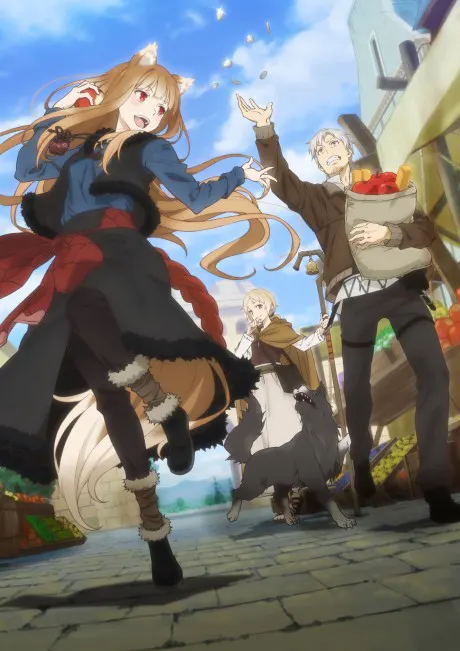
Spice and Wolf: MERCHANT MEETS THE WISE WOLF
TV · 2024 · 25 episodes · Passione · 79% on AniList · Sub & dub
Adventure, Fantasy, Romance
Isuna Hasekura's Spice and Wolf won a silver prize in 2005 and became one of Dengeki Bunko's defining series. A traveling merchant, Lawrence, finds a wolf goddess named Holo asleep in his cart, and they set off north together. Most of the "action" is negotiation, trade and banter. Spice and Wolf: Merchant Meets the Wise Wolf (2024) is a 25-episode remake by Passione that starts the story over with the original lead actors back, and it's the better entry point today. The original 2008 and 2009 seasons (Spice and Wolf and Spice and Wolf II) are in the Spice and Wolf watch order.
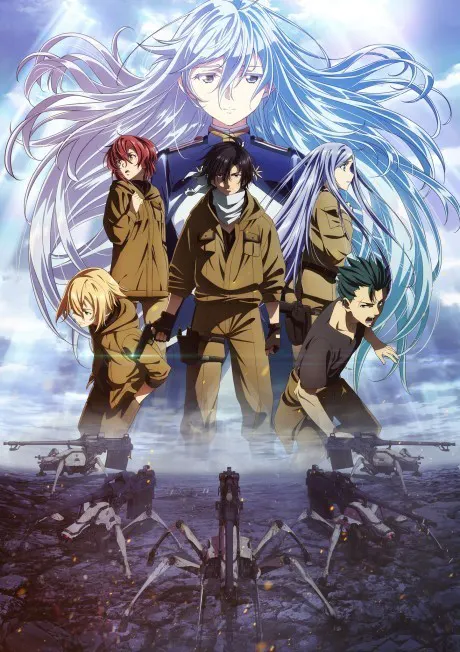
TV · 2021 · 11 episodes · A-1 Pictures · 83% on AniList · Sub & dub
Action, Drama, Mecha
86 EIGHTY-SIX is the modern example. Asato Asato's novel took the Grand Prize at the 23rd Dengeki Novel Prize and became one of the imprint's biggest recent sellers. It's a war story about a republic that claims its war is fought by "unmanned" drones, while in fact the drones are piloted by a persecuted minority it has stripped of citizenship. A-1 Pictures' first episode splits time between a sheltered officer in the capital and the pilots she commands by radio, and the gap between their two worlds is the whole point. It suits viewers who liked the politics in mecha shows; if you want more of that, our best mecha anime list is next.
Route 2: get picked up from the web
The other route is to post a story online, build an audience, and get offered a contract. This is how much of the 2010s isekai wave started, but it isn't limited to isekai.
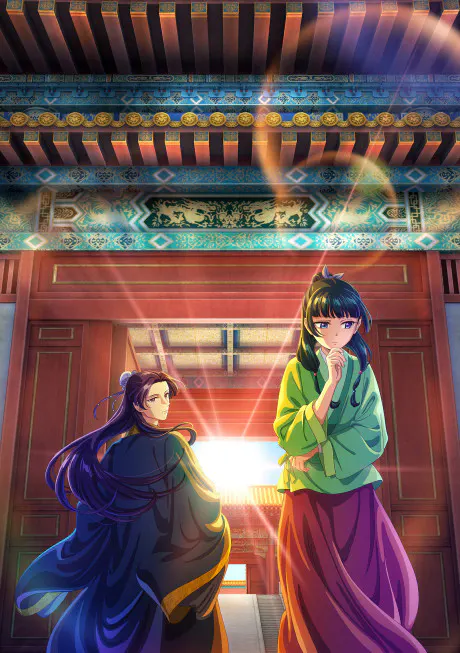
TV · 2023 · 24 episodes · OLM · 88% on AniList · Sub & dub
Drama, Mystery
The Apothecary Diaries is the best current proof. Natsu Hyuuga first posted it on the free novel site Shōsetsuka ni Narō in 2011. Publisher Shufunotomo picked it up, and it has been a light novel series since 2014, under the Hero Bunko label. It also has two separate manga adaptations, drawn by different artists and published by different magazines, which is unusual and a sign of how popular the novels were before any anime existed. The 2023 anime by OLM and TOHO animation STUDIO follows Maomao, a pharmacist's daughter sold into the imperial palace's inner court, who solves poisonings and medical mysteries while trying very hard not to be noticed. Episode 1 shows her figuring out why the emperor's infant children are falling ill, and it's a complete mystery in one sitting. Seasons are in the Apothecary Diaries watch order, and our anime like The Apothecary Diaries guide has similar picks.
Why so many anime are based on light novels
Light novels are cheap to turn into anime compared with their value to the people funding it. A publisher already owns a story with tested popularity, finished character designs and several volumes of plot. An anime is, among other things, a 12-episode commercial for the books.
That explains the most frustrating pattern in light novel anime: one season, then nothing. A typical one-cour season adapts the first few volumes. If book sales jump, the production committee may fund more. If they don't, the anime has done its job as advertising, and there's no business reason to continue, even if the series is far from over. Our guide to how anime seasons work explains the committee side, and our article on how anime adaptations work covers the wider adaptation process.
The flip side is that some light novel anime do reach the end, and they're worth seeking out for exactly that reason.
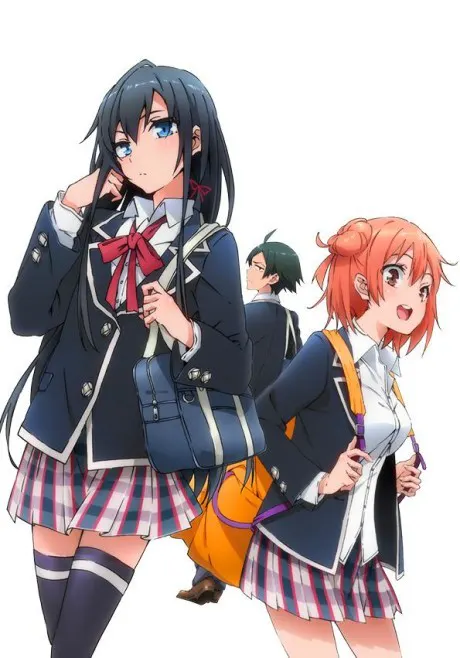
TV · 2013 · 13 episodes · Brain's Base · 78% on AniList · Sub & dub
Comedy, Drama, Romance
My Teen Romantic Comedy SNAFU (Oregairu) adapts Wataru Watari's novels from Shogakukan's Gagaga Bunko. Hachiman Hikigaya is a cynical loner forced into a school "service club" with the equally isolated Yukino Yukinoshita, and the comedy slowly turns into a sharp study of why people lie to keep the peace. The third season, Climax! (2020), adapts the main story's ending, so this is one of the few light novel romances you can actually finish on screen. The first season was animated by Brain's Base and the next two by feel., so the art style changes noticeably between seasons 1 and 2. The SNAFU watch order lists all three seasons and the OVAs.
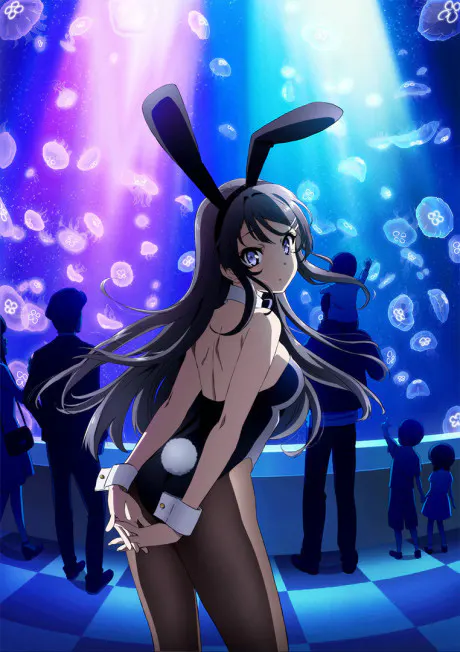
Rascal Does Not Dream of Bunny Girl Senpai
TV · 2018 · 13 episodes · CloverWorks · 81% on AniList · Sub & dub
Comedy, Drama, Mystery
Rascal Does Not Dream of Bunny Girl Senpai adapts Hajime Kamoshida's Dengeki Bunko series. Sakuta finds an older student, a famous actress, walking through a library in a bunny costume while no one else can see her, and the show treats teenage anxieties as literal supernatural conditions. Ignore the title; it's a thoughtful drama. CloverWorks' 13 episodes are followed by films that continue the story, and the Bunny Girl Senpai watch order lists them in order. Our anime like Bunny Girl Senpai page has more in this vein.
Two more that show the range
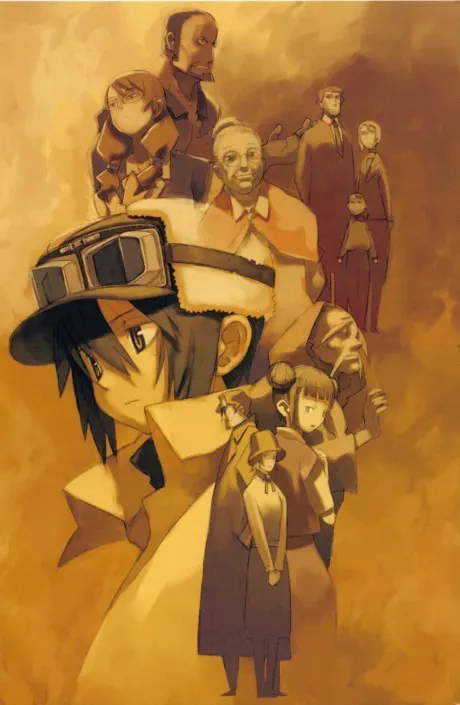
TV · 2003 · 13 episodes · A.C.G.T. · 81% on AniList · Sub & dub
Adventure, Drama, Fantasy
Kino's Journey (2003) adapts Keiichi Sigsawa's Dengeki Bunko stories. Kino travels by talking motorcycle and stays exactly three days in each country, each one built around a single strange idea, like a nation where everyone can read minds. It's episodic, quiet and often unsettling, and it's the clearest evidence that light novels aren't all power fantasy. A 2017 series by Lerche adapts different stories with a cleaner look.
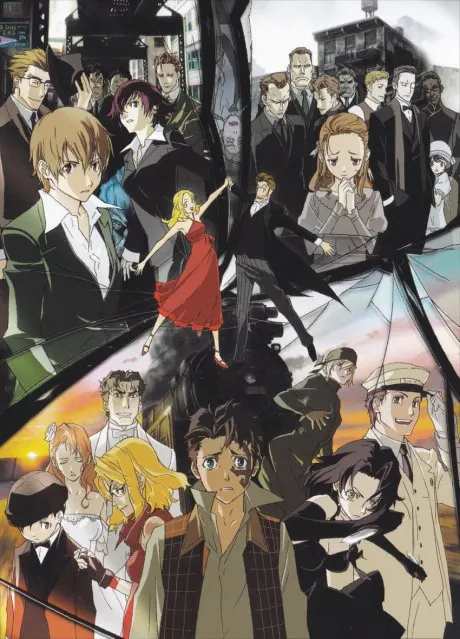
TV · 2007 · 13 episodes · Brain's Base · 81% on AniList · Sub & dub
Action, Mystery, Supernatural
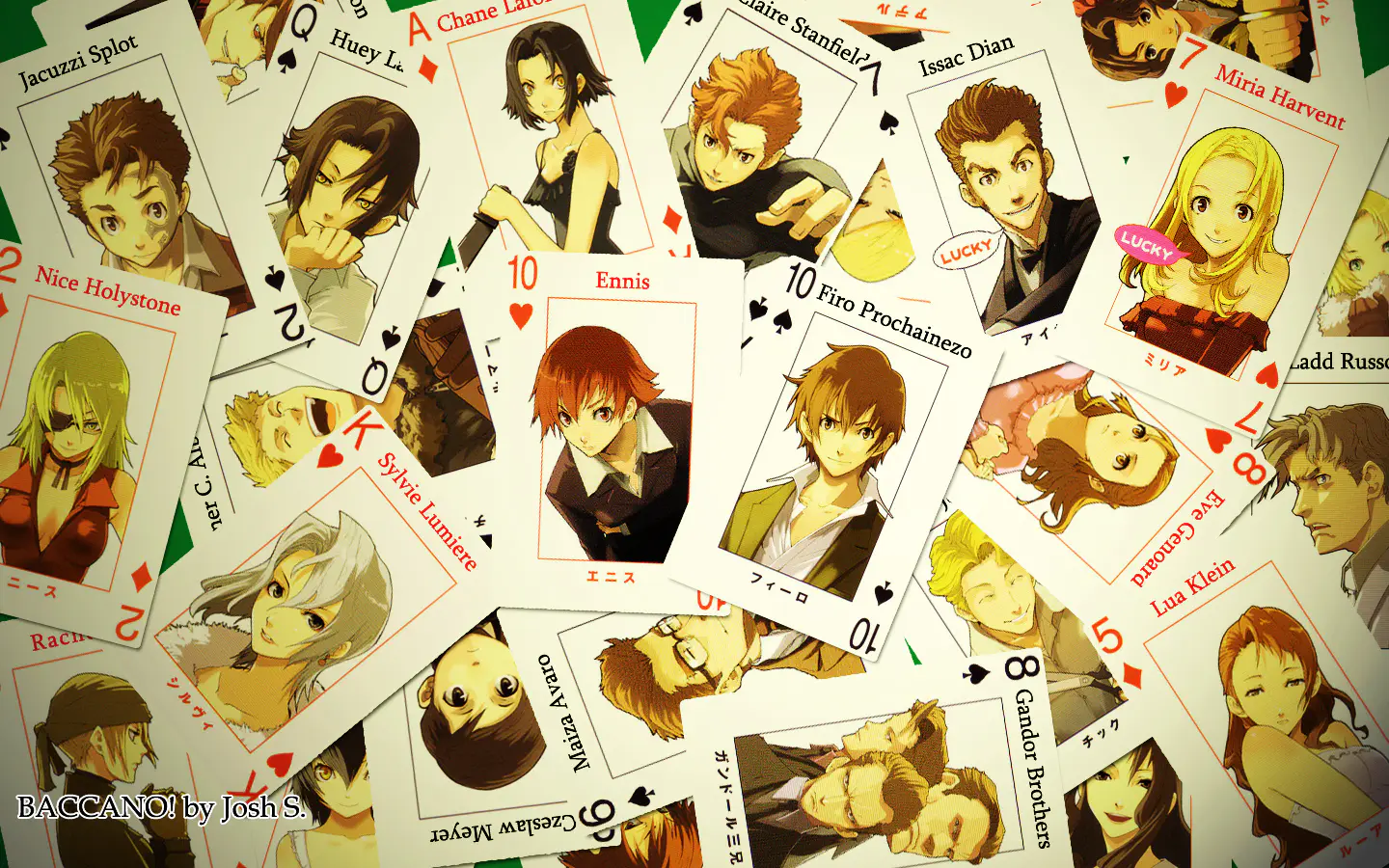
Baccano! was Ryohgo Narita's debut, published by Dengeki Bunko in 2003. Brain's Base's 13-episode anime jumps between 1930s New York, a train full of gangsters and a group of immortals, and it deliberately refuses to tell you who the main character is. Episode 1 is a frame story with two people arguing about where the story even begins. If that sounds fun, you'll love it; if it sounds annoying, start with Narita's other big series, Durarara!!, which is easier to follow (Durarara watch order).
Reading light novels after the anime
If an anime ends and you want more, here's what's worth knowing.
- Check whether it's a light novel, a web novel or a manga first. The anime's opening credits name the original work, and the original's publisher. Many series exist in all three forms, and they don't always match. Web novel versions are often rougher drafts that the published light novel revised.
- English publishers. The main licensors of light novels in English are Yen Press, J-Novel Club and Seven Seas, with others such as Vertical and Viz Media publishing fewer titles. J-Novel Club often releases chapters digitally before the full volume is out.
- Don't assume you can skip ahead. Anime routinely cut side stories, inner monologue and whole subplots to fit 12 episodes. Fans of a series often recommend restarting from volume 1, or at least from a volume or two before the anime ended, rather than jumping in at the exact point where it stopped.
- Expect a different experience. A lot of a light novel is the narrator's voice. Oregairu and Bunny Girl Senpai, for example, lean heavily on their leads' internal commentary, so the books feel more talky and more introspective than the anime.
- Read illustrations as part of the text. Illustrators matter as much as authors in this format. If you liked the character designs in an anime, the original illustrator's work in the books is often where they came from.
How to find light novel anime on MyAnimeVerse
We don't have a separate "light novel" genre, since source material isn't a genre. The easiest way in is through the genres these series tend to sit in: fantasy, romance and sci-fi are full of them. You can also browse the full catalog by year to see how the 2006 boom and the 2010s isekai wave look in practice, or scroll episode-1 previews on Discover until one grabs you. If you're starting from zero, our best anime for beginners list includes a few light novel adaptations that are easy to get into.
Related explainers
- What is isekai?: the another-world genre that took over light novels in the 2010s.
- Manga vs. anime: what changes when a comic becomes a show, and which to start with.
- What is an OVA?: the home-video format behind Record of Lodoss War and many light novel side stories.
- How anime is made: what happens between a publisher saying yes and the first episode airing.