Filler is anime material that doesn't come from the source manga or novel: episodes, or whole arcs, that the studio wrote itself. It's mostly a feature of long-running weekly shows, and it exists for a practical reason. When an anime catches up to a manga that's still being written, the studio has to put something on TV next week.
The short definition is in our anime glossary, and our pillar guide on how to watch anime in order already explains how to spot filler and how to use a filler list, including the well-known Naruto and Bleach counts. This article goes a level deeper: how much filler the other famous long-runners actually have, why the business made it necessary, why it's fading away, and which filler episodes you'd be sorry to skip.
Why filler exists
A long shōnen anime of the 1990s and 2000s usually aired every week, all year, in a fixed TV time slot that the broadcaster and sponsors had paid for. The manga it adapted came out one chapter a week, roughly 19 pages in a magazine like Weekly Shōnen Jump. One TV episode tends to use up around two to three chapters. Do that math for a year and the anime runs out of story long before the author can write more.
The studio had three choices: slow down the adaptation (stretching each chapter, which is where "padding" comes from, like long recap openings and drawn-out power-ups), stop the show (losing the time slot), or write original stories until the manga built up a lead again. Filler is the third option. Our explainer on recap episodes covers the first.
Filler isn't only an episode-length thing. Most movies of long franchises are non-canon side stories for the same reason, and some anime invent whole endings when the manga isn't finished. Our manga vs. anime guide covers those anime-original endings, like Fullmetal Alchemist (2003).
How much filler is there? The numbers
The standard reference is Anime Filler List, a fan-run site that tags every episode of a long series as manga canon, mixed canon/filler, filler or anime canon. The counts below are from its episode tables as of November 2026. They are fan judgments, and other sites sometimes disagree by a few episodes, especially for mixed episodes. Treat them as good estimates, not official data.
| Series | Episodes tagged | Pure filler | Share |
|---|---|---|---|
| Detective Conan | 1,221 | 580 | about 48% |
| Fairy Tail (all series) | 328 | 61 | about 19% |
| InuYasha | 193 | 35 | about 18% |
| Dragon Ball Z | 291 | 38 | about 13% |
| Black Clover (2017 to 2021 series) | 170 | 18 | about 11% |
| ONE PIECE | 1,168 | 94 | about 8% |
| Hunter x Hunter (2011) | 148 | 2 | about 1% |
For comparison, the same site puts both Naruto and Naruto: Shippuden at about 41% and the original Bleach at about 45%, which is why those two come up in every filler conversation. The full Naruto breakdown is in our Naruto watch order.
A few things jump out:
- Detective Conan is the outlier, but it's a special case. Almost half the episodes are anime-original mysteries. Because nearly every Conan episode is a self-contained case, the originals don't interrupt anything. Our Detective Conan watch order argues you shouldn't skip them all, and we agree.
- One Piece is far leaner than its reputation. At 8%, ONE PIECE is one of the least filler-heavy long shōnen series. Its problem is a different one: slow pacing inside canon episodes, especially in the 2010s.
- Some numbers hide a different category. Boruto has only 28 pure filler episodes out of 293 on the same site, but 179 tagged as "anime canon," meaning anime-original stories that the show treats as part of its continuity. You can skip those, but later episodes may refer back to them. That's why "how much filler does Boruto have" gets wildly different answers depending on who's counting.
- The modern Hunter x Hunter barely has any. The 2011 Madhouse series was made after the manga was far ahead, so it rarely needed to stall.
The long-runners, and what their filler is like
TV · 1996 · TMS Entertainment · 82% on AniList · Sub & dub
Adventure, Comedy, Mystery
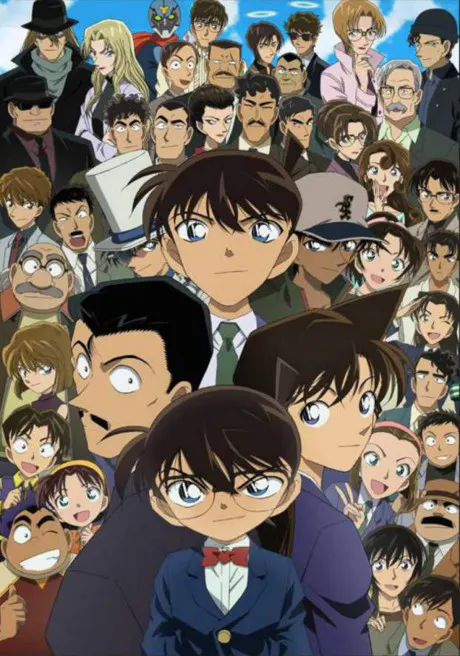
Detective Conan (1996 to now) follows a teenage detective shrunk into a child's body by a poison, solving murders while hiding who he is. With 580 anime-original episodes, it's the show where filler matters least, because it's built from standalone cases either way. The first episode, set at an amusement park, shows the poisoning and a full mystery, so you'll know immediately whether the format works for you. TMS Entertainment has animated it the whole time.

TV · 2009 · 175 episodes · A-1 Pictures · 72% on AniList · Sub & dub
Action, Adventure, Comedy
Fairy Tail has two big filler arcs rather than scattered episodes: the Key of the Starry Sky arc (episodes 125 to 150, by Anime Filler List's count) and the Eclipse Celestial Spirit arc (202 to 226). The second one is unusually well liked, because it gives the heroine Lucy's spirit companions far more personality than the manga did. If you're short on time, skip the first and try the second. The Fairy Tail watch order lists the later series and films.
TV · 2000 · 167 episodes · Sunrise · 77% on AniList · Sub & dub
Action, Adventure, Comedy
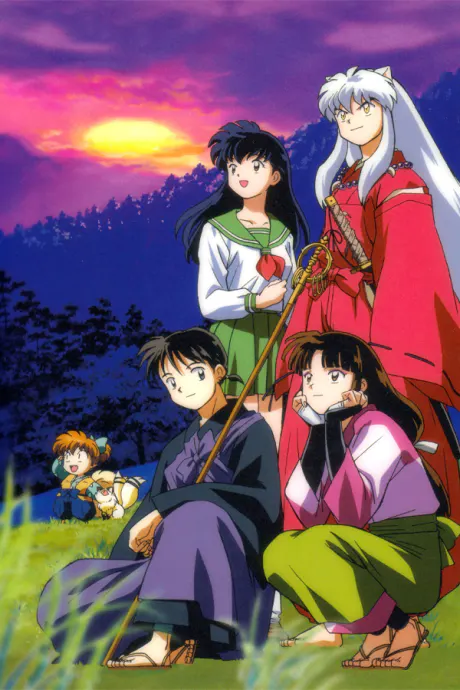
InuYasha is a good example of filler as a stalling tactic: Anime Filler List marks a 13-episode stretch from 89 to 101 as filler, plus scattered single episodes. Most of InuYasha's filler episodes are lighthearted monster-of-the-week stories that make sense in a show that already has a lot of them, so the damage is mostly to pacing. The InuYasha watch order covers the four films and The Final Act.
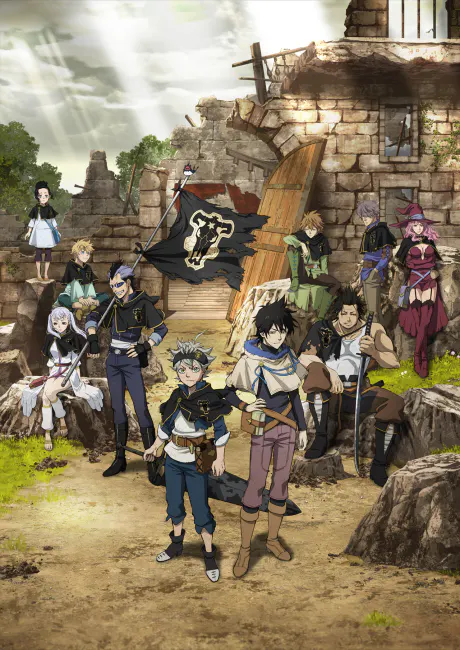
TV · 2017 · 170 episodes · Studio Pierrot · 79% on AniList · Sub & dub
Action, Adventure, Comedy
Black Clover shows how a 2010s show handled the same problem: mostly with single episodes rather than long arcs. Its 18 filler episodes in the 170-episode first series are spread out, with the longest run being 142 to 149. Studio Pierrot's first episodes are loud and rough, with a famously shouty lead, and the show gets noticeably better once the main tournament and war arcs start, which is why it often appears in lists of anime that get better later.
Filler that's worth watching
Skipping all filler is a reasonable default for a first watch. But some anime-original episodes are better than the canon around them, and fans recommend them on their own.
- One Piece, the G-8 arc (episodes 196 to 206). The Straw Hats crash into a Navy fortress and have to escape. It's eleven episodes of heist comedy with a memorable Navy commander, and many fans rank it as the best filler arc in any anime. The full order is in our One Piece watch order, and the site's One Piece order page lists the films.
- Dragon Ball Z, episode 125, "Goku's Ordeal." Goku and Piccolo try to pass a driving test while waiting for the androids to show up. It is pure comedy, has nothing to do with the plot, and is a long-standing fan favorite.
- Fairy Tail, the Eclipse Celestial Spirit arc (episodes 202 to 226), covered above.
- Detective Conan's anime-original cases. Hard to single out, since there are hundreds, but the format guarantees each one is a full mystery.
The rule of thumb: filler that plays to a show's strengths (comedy in a comedy-heavy show, mysteries in a mystery show) usually works. Filler that invents new villains and fights for a power-progression show usually doesn't, because it can't change anything.
Why filler is disappearing
Filler was a product of year-round weekly broadcasts. That model has been fading for more than a decade, and you can see it in how three franchises changed.
1. Seasonal anime instead of endless ones
Most popular manga adaptations now air in seasons of 12 to 25 episodes, then go away while the manga gets further ahead. Demon Slayer (watch order), Jujutsu Kaisen (watch order) and Frieren all work this way. The cost is long gaps between seasons, which our guide to anime seasons explains. The benefit is that there's almost never a reason to write filler.
2. Re-edits that cut the filler out
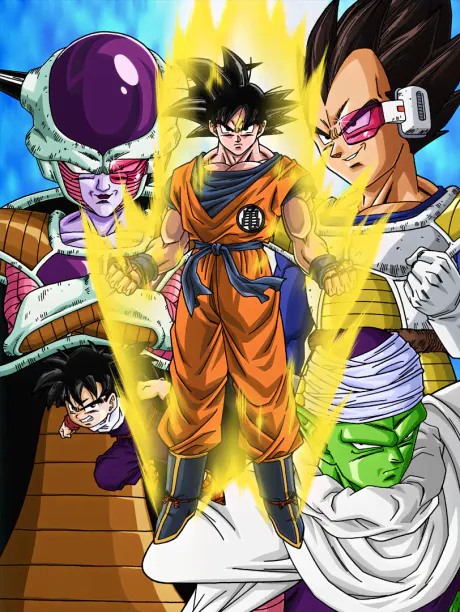
TV · 2009 · 97 episodes · Toei Animation · 77% on AniList · Sub & dub
Action, Adventure, Comedy
Dragon Ball Z Kai (2009) is Toei Animation remastering and re-editing Dragon Ball Z to follow the manga more closely. It cuts most filler and padding, re-records the voices, and covers the Saiyan through Cell sagas in 97 episodes. The Buu saga followed as Dragon Ball Z Kai: The Final Chapters (69 episodes in the international version). In all that's roughly 165 episodes against Z's 291. Our Dragon Ball watch order recommends Kai for most first-time viewers, and the site's Dragon Ball order page lists every entry.
3. Splitting a final arc into seasons
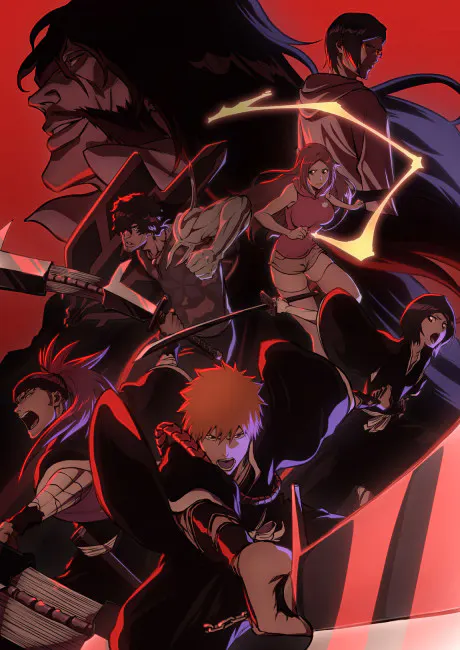
BLEACH: Thousand-Year Blood War
TV · 2022 · 13 episodes · Studio Pierrot · 88% on AniList · Sub & dub
Action, Adventure, Supernatural
Bleach ended in 2012 with the manga still going. When it came back in 2022, BLEACH: Thousand-Year Blood War was planned as split seasons with breaks in between, and it has no filler arcs at all. Compare that with the original 366-episode run, where nearly half the episodes were filler. Our Bleach watch order covers both, and the site's Bleach order page lists every entry.
4. Even One Piece changed
One Piece aired almost every week from 1999 into the 2020s. In October 2025, Toei Animation announced that from 2026 the anime would be capped at a maximum of 26 episodes a year, aired in two cours, to better match the pace of Eiichiro Oda's manga. The Elbaph arc started under the new format in April 2026. It's the clearest sign yet that the old year-round model, the one that created filler in the first place, is ending for good. More on Toei's long-runners is in our best Toei Animation anime guide.
How to handle filler on MyAnimeVerse
- Keep a filler list open in another tab. Our episode lists show episode titles and air dates, so it's easy to match them against a fan list as you go. Anime Filler List, used for the table above, is the most common.
- Don't skip mixed episodes. Episodes that are mostly canon with added anime-only scenes are still part of the story.
- Decide per arc, not per episode. A single filler episode between two canon arcs costs you 23 minutes. A 25-episode filler arc costs you a week. Skip long arcs on a first watch; give single episodes a chance if the premise sounds fun.
- Short on time? Pick the filler-free version where one exists (Kai, Brotherhood, Thousand-Year Blood War), or use our long anime worth the commitment guide to choose a long series that earns its length.
Not sure which long series to start? Browse the catalog by popularity, check what's currently airing on the schedule, or try a few episode-1 previews on Discover. Most of the shows on this page sit under action and adventure.
Related explainers
- Manga vs. anime: when an anime catches up and invents its own ending.
- What is an OVA?: the home-video format that's often where extra, non-canon stories end up.
- How anime is made: why weekly production schedules are so hard to keep.
- What is a light novel?: the other source anime run out of.