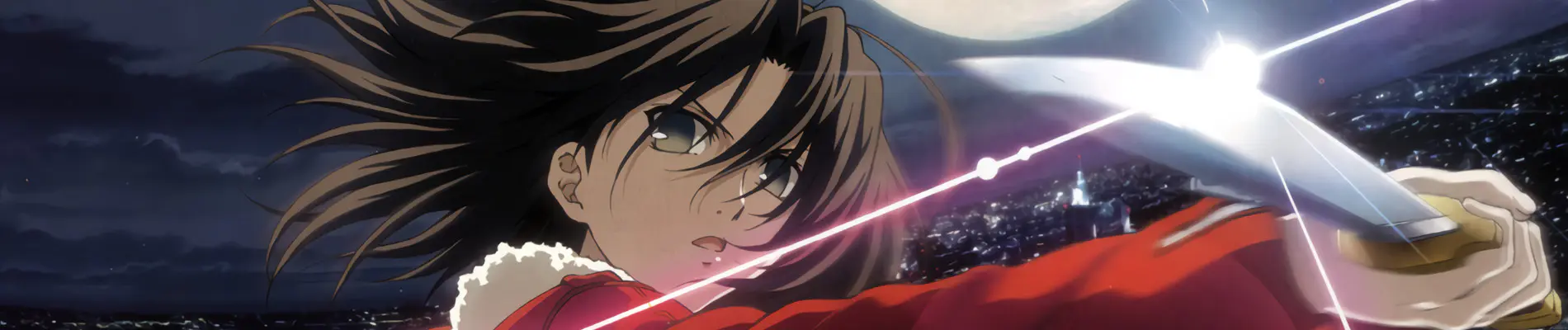
Kara no Kyoukai, released in English as the Garden of sinners, is a series of films from ufotable, adapted from Kinoko Nasu's novel. The films were released in an order that jumps back and forth in time on purpose. The first film is set in the middle of the story, the second goes back three years, and the fourth explains a gap between them. That makes it one of the few anime where the "release order vs. chronological order" question has a real answer on both sides.
Short version: watch in release order the first time. Save chronological order for a rewatch. If you want the general background on why anime have these two orders, our guide to how to watch anime in order explains it. Our automatic Garden of Sinners watch order page lists every film in release order with links to each. This article adds the chronological order, explains what each extra entry is, and sorts out a naming clash in how the eighth film is labeled.
What the series is
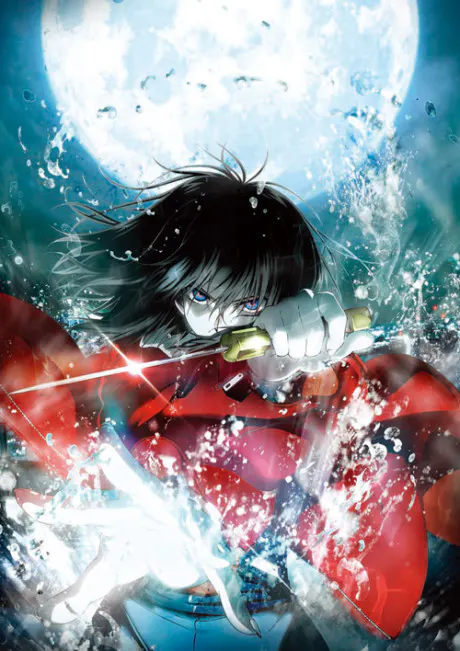
the Garden of sinners Chapter 1: Thanatos. (Overlooking View)
Movie · 2007 · ufotable · 73% on AniList · Sub
Action, Mystery, Supernatural
Watch the Garden of sinners Chapter 1: Thanatos. (Overlooking View)
The story is set in a Japanese city in the late 1990s. Shiki Ryougi is a young woman who can see the "lines" along which anything can be killed and cut them with a knife. Mikiya Kokutou is the ordinary young man who won't stop caring about her. Their employer, Touko Aozaki, is a mage who runs a design office as a front. Each film is a self-contained case involving the supernatural, a killer or both, and together they tell the story of Shiki and Mikiya's relationship and the serial murders that tie the whole thing together.
Kinoko Nasu began publishing the novel online in 1998, before he and artist Takashi Takeuchi made the visual novels Tsukihime and Fate/stay night at Type-Moon. Ufotable's films are the reason many people know the studio; each chapter had a different director, but the same writer, Masaki Hiramatsu, and the same composer, Yuki Kajiura. It's violent, slow and talky, and it often withholds information on purpose. It's not a casual watch.
One thing that helps before you start: each film has its own antagonist and mostly resolves its own case, so the series is easier to follow than its reputation suggests. What carries across all of them is Shiki's identity, what happened to her in the gap the first film skips, and the serial murders that open in Chapter 2 and close in Chapter 7. If you keep those three threads in mind, the jumps in time feel like a deliberate structure rather than a mess.
Release order (recommended first time)
- Chapter 1: Overlooking View (December 2007, 50 min)
- Chapter 2: Murder Speculation, Part A (December 2007, 59 min)
- Chapter 3: Remaining Sense of Pain (January 2008, 57 min)
- Chapter 4: The Hollow Shrine (May 2008, 45 min)
- Chapter 5: Paradox Spiral (August 2008, 113 min)
- Chapter 6: Oblivion Recording (December 2008, 58 min)
- Chapter 7: Murder Speculation, Part B (August 2009, 121 min)
- Epilogue (2011, 33 min)
- Future Gospel (2013, 88 min)
- Future Gospel: Extra Chorus (2013, 32 min)
Runtimes are from the Japanese releases and add up to about 11 hours. Our catalogue's titles for these films mix the English subtitles and the Japanese ones, so, for example, Chapter 5 appears as Paradox Paradigm. It's the same film.
Why release order works
Chapter 1 drops you into the middle. Shiki and Mikiya already know each other, something happened to Shiki two years earlier, and the film doesn't explain what. Chapters 2 and 4 then go back and fill in the gap, and Chapter 3 and Chapter 5 move the story forward from there. It's built so that each film's reveal changes how you see the previous one. Watched in story order, the reveals of Chapters 2 and 4 come before you have any reason to care about them.
The cost is that Chapter 1 is the most confusing film in the series. It's quiet, oblique and short on dialogue, and many people bounce off it. If you're confused after Chapter 1, that's normal. Chapter 2 is where the series starts explaining itself.
Chronological order
For a rewatch, this is the story in the order it happens:
- Chapter 2: Murder Speculation, Part A, where Shiki and Mikiya meet in high school
- Chapter 4: The Hollow Shrine
- Chapter 3: Remaining Sense of Pain
- Chapter 1: Overlooking View
- Chapter 5: Paradox Spiral
- Chapter 6: Oblivion Recording
- Chapter 7: Murder Speculation, Part B
- Epilogue
Future Gospel doesn't fit in one place: it's made of stories set at different points, one of them during the main story and one years after the Epilogue. The Extra Chorus shorts are set between the films, around Chapters 3 through 6. Watch both after the Epilogue whichever order you use.
Chronological order is a reasonable choice for a first watch only if you know you dislike non-linear stories. Even then, many fans would tell you to try release order and switch if Chapter 1 loses you.
The films, one by one
Chapter 1: Overlooking View involves a string of girls falling from an abandoned building. It's an atmosphere piece more than a mystery, and it sets the visual tone.
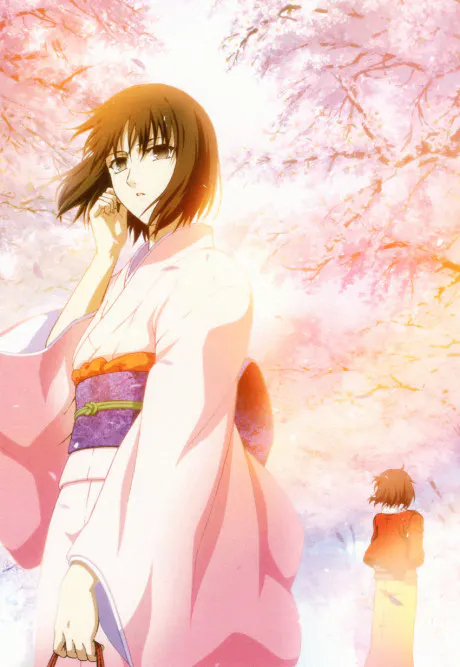
the Garden of sinners Chapter 2: …and nothing heart. (Murder Speculation Part A)
Movie · 2008 · ufotable · 75% on AniList · Sub
Action, Mystery, Romance
Watch the Garden of sinners Chapter 2: …and nothing heart. (Murder Speculation Part A)
Chapter 2: Murder Speculation, Part A goes back about three years, to the start of the relationship, while murders happen around the town. It's the most direct film and the clearest way into the characters.
Chapter 3: Remaining Sense of Pain is the most violent. Content warning: it opens with a sexual assault, and its antagonist's story is built around it.
Chapter 4: The Hollow Shrine is the shortest and explains how Shiki got her ability and why Chapter 1 felt the way it did.
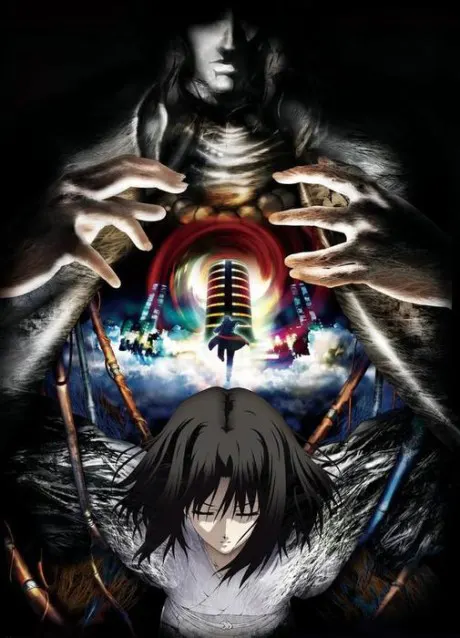
the Garden of sinners Chapter 5: Paradox Paradigm
Movie · 2008 · ufotable · 84% on AniList · Sub
Action, Drama, Mystery
Chapter 5: Paradox Spiral is nearly two hours long and is set around an apartment building where something is very wrong. It's the most complex film, with the most of Touko and the deepest look at the series' magic, and many fans call it the best.
Chapter 6: Oblivion Recording is the lightest, following Mikiya's younger sister, Azaka, at an all-girls school. It's the closest the series gets to a breather.
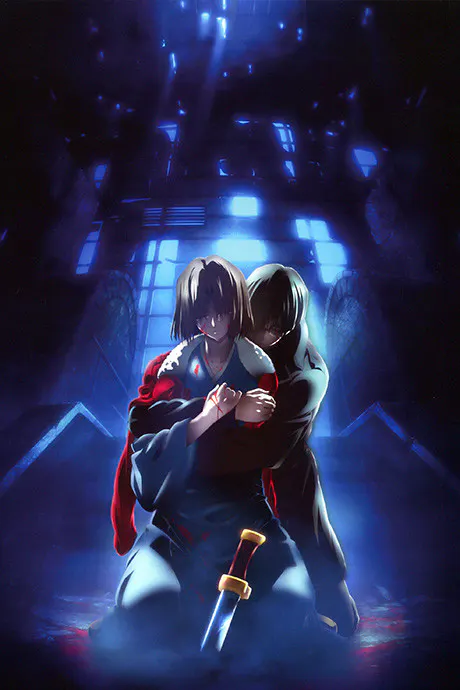
the Garden of sinners Chapter 7: ……not nothing heart. (Murder Speculation Part B)
Movie · 2009 · ufotable · 81% on AniList · Sub
Action, Mystery, Romance
Watch the Garden of sinners Chapter 7: ……not nothing heart. (Murder Speculation Part B)
Chapter 7: Murder Speculation, Part B brings back the killings from Chapter 2 and resolves the main story. It's the longest film, at about two hours.
"Chapter 8": two different films
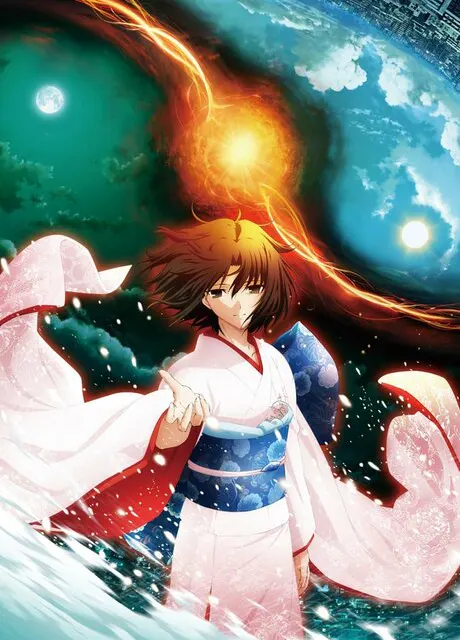
the Garden of sinners Chapter 8: The Final Chapter
OVA · 2011 · 1 episodes · ufotable · 71% on AniList · Sub
Mystery, Psychological, Supernatural
This is where labels get confusing. The 33-minute Epilogue (2011), a single conversation between Shiki and Mikiya on a snowy night, appears in our catalogue as the Garden of sinners Chapter 8: The Final Chapter. Other sources, including Wikipedia, call the 2013 film Future Gospel the eighth film. Both labels are in use. What matters is the order: Epilogue first, Future Gospel second. The Epilogue is almost entirely dialogue and is the actual end of the original story. Don't skip it.
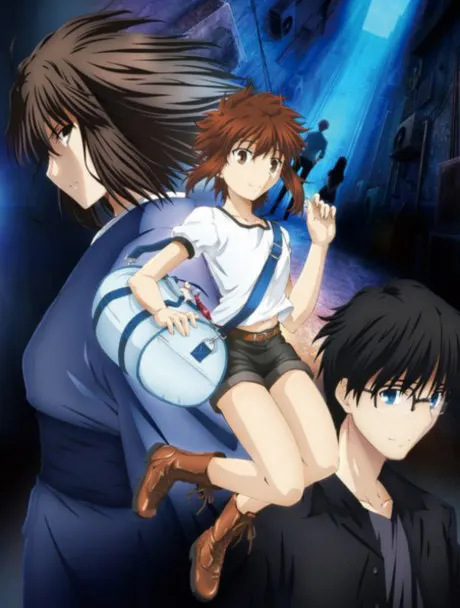
the Garden of sinners -recalled out summer-
Movie · 2013 · ufotable · 78% on AniList · Sub
Drama, Mystery, Supernatural
Future Gospel, Mirai Fukuin in Japanese, is listed in our catalogue as the Garden of sinners -recalled out summer-. It adapts a later side novel by Nasu, with stories about characters who can see the future, and it was the first film without the original screenwriter. It's optional but well liked. The 32-minute Extra Chorus, three short side stories, is optional too.
Remix: Gate of Seventh Heaven (skip it)
Kara no Kyoukai Remix: Gate of Seventh Heaven (2009) is a 61-minute compilation of footage from the films, released in March 2009, before Chapter 7 came out. It's a recap with no new story, and it spoils everything. Our automatic guide lists it between Chapters 6 and 7 because that's when it was released. You can safely skip it.
If you only want the essentials
Here's how the entries sort by importance:
- Essential: Chapters 1–7 and the Epilogue. That's the whole original story, about nine hours.
- Optional but recommended: Future Gospel. It's a side story with a different writer and a lighter feel, told mostly through new characters whose paths cross the main cast's.
- Optional: Future Gospel: Extra Chorus, three short scenes for fans who want more of the cast.
- Skip: Remix: Gate of Seventh Heaven, which is footage you'll already have seen.
Tips for getting through Chapter 1
Because the first film is where most people give up, a few things help. Watch it knowing it's meant to be disorienting: the series hasn't told you who Shiki is yet, and that's deliberate. Pay attention when Touko explains things, because her explanations set up ideas the later films rely on. And plan to watch Chapter 2 right after, not days later, since Chapter 2 is the payoff that makes Chapter 1 make sense. If you finish Chapter 2 and still aren't interested, the series probably isn't for you. The style doesn't change much, even though Chapters 5 and 7 are much more dramatic.
Does it connect to Fate?
Kara no Kyoukai is part of the shared world fans call the Nasuverse, the setting behind Type-Moon's games, including Fate and Tsukihime. It uses the same ideas, including the Mage's Association and "mystic eyes," and Touko Aozaki's sister, Aoko, is the lead of the visual novel and 2020s film Witch on the Holy Night. But it's a standalone story. You don't need to know Fate to follow it, and Fate doesn't require it. If you want to explore the rest of that world, our Fate series watch order sorts out the many Fate anime, and our list of the best ufotable anime covers the studio's other work, including Fate/Zero and Demon Slayer.
Who should watch it
Kara no Kyoukai suits viewers who like slow, moody supernatural stories, lots of dialogue about death and identity, and fight scenes that are short and sudden rather than long. It's also one of the best-looking anime of the late 2000s. It's not for anyone who wants a clear plot from minute one, and it's not for younger viewers: the series is violent throughout, and Chapter 3 in particular is hard to watch. If you like it, our lists of dark anime and the best mystery anime are good next steps, or browse supernatural anime on the site.
For other series where the order itself is a puzzle, see our Haruhi Suzumiya watch order, which has its own broadcast-versus-chronological debate, and our Monogatari watch order. For something lighter after 11 hours of it, Discover lets you swipe through first episodes until something fits.