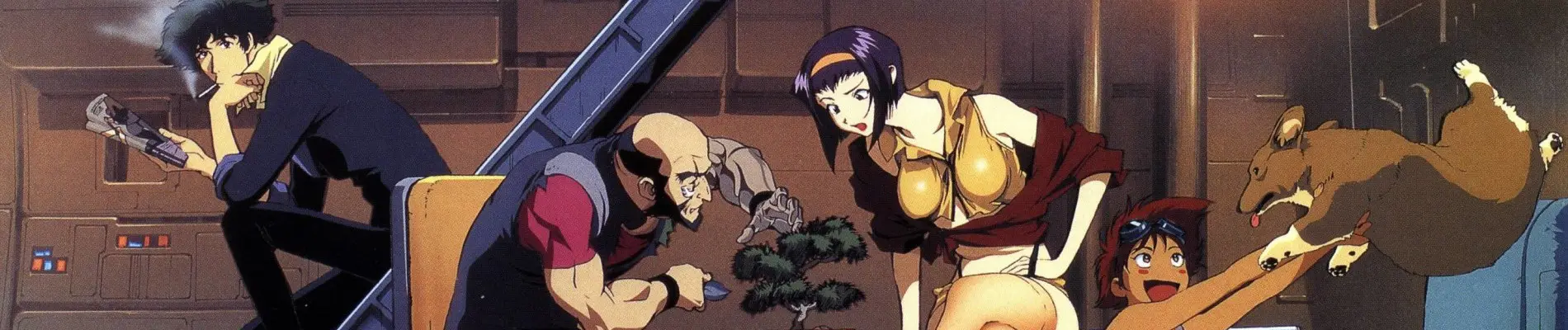
Once you've watched a few dozen anime, studio names start to mean something. But studios hire and lose people, and the same logo can be on a masterpiece and a mess in the same year. Directors are steadier. Cowboy Bebop, Samurai Champloo and Kids on the Slope came from three different studios and feel like they were made by the same person, because they were. Following directors is one of the most reliable ways to find your next favorite show.
This guide covers twelve directors and two writers whose names are worth looking for in the credits. It isn't a ranking; we've grouped them roughly by generation, and each section gives two or three signature works to start with, every one of them on MyAnimeVerse. Most of these creators have their own full guide, linked in their section and listed again at the end. For the studio side of the story, see our companion guide to the best anime studios.
What an anime director actually does
In anime, the director's job varies more than in live-action film. On a feature, the director usually controls the storyboards, which means they decide every shot before animation starts. Miyazaki and Satoshi Kon drew theirs themselves, in detail. On a TV series, the "series director" sets the style and tone, while individual episode directors handle each week. Credits like "chief director" or "supervising director" usually mean someone oversees the show while another person handles day-to-day direction.
Writers matter too. The "series composition" credit goes to the writer who plans the whole season's story, and two of the most recognizable voices in modern anime, Gen Urobuchi and Mari Okada, are writers rather than directors. They're included here because their names predict what a show will feel like better than most directors' do. If you want the bigger picture of how a show moves from script to screen, our explainer on how anime is made walks through it.
The founders: Miyazaki and Takahata
Hayao Miyazaki
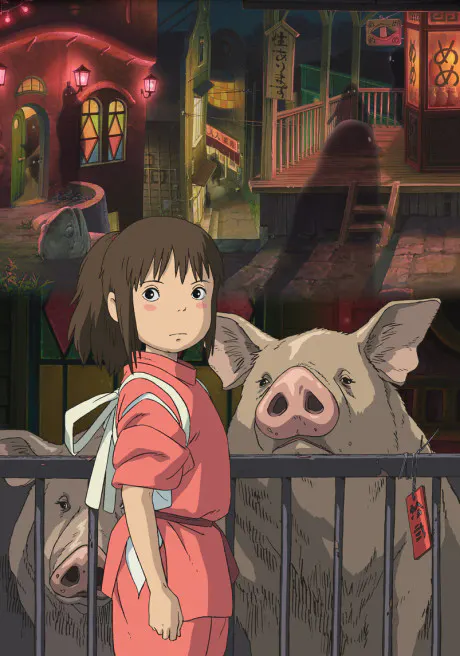
Movie · 2001 · Studio Ghibli · 86% on AniList · Sub & dub
Adventure, Drama, Fantasy
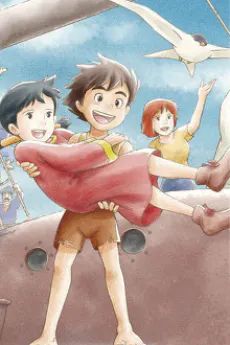
TV · 1978 · 26 episodes · Nippon Animation · 78% on AniList · Sub & dub
Adventure, Drama, Sci-Fi
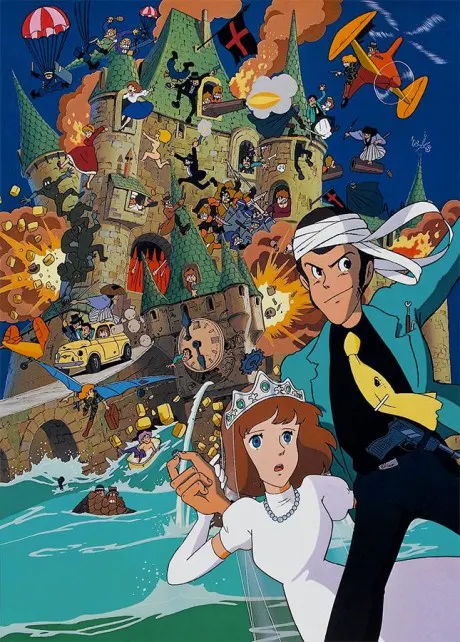
Lupin The 3rd: The Castle of Cagliostro
Movie · 1979 · Tokyo Movie Shinsha · 80% on AniList · Sub & dub
Action, Adventure, Comedy
The most famous anime director in the world, and the co-founder of Studio Ghibli. What people tend to forget is how much he made before Ghibli: he co-directed part of the first Lupin III series, directed the TV series Future Boy Conan in 1978 and made his first feature, Lupin III: The Castle of Cagliostro, in 1979. His films are about flight, work, nature and children who rise to the moment, and they almost never have a simple villain. Spirited Away won the Academy Award, and so did The Boy and the Heron, two decades later. Our Hayao Miyazaki films guide covers his whole career, including the pre-Ghibli work, and the themes that connect it. For a ranking of the Ghibli films themselves, see our best Studio Ghibli movies list.
Isao Takahata
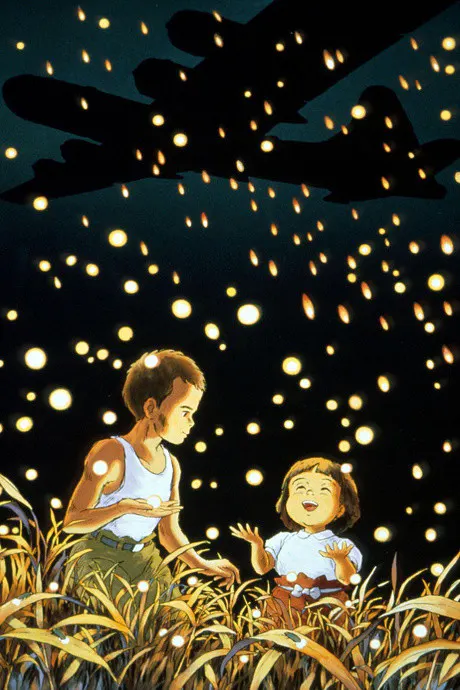
Movie · 1988 · Studio Ghibli · 83% on AniList · Sub & dub
Drama
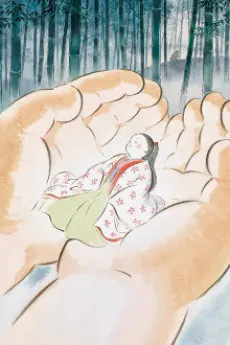
The Tale of The Princess Kaguya
Movie · 2013 · Studio Ghibli · 81% on AniList · Sub & dub
Drama, Fantasy, Romance
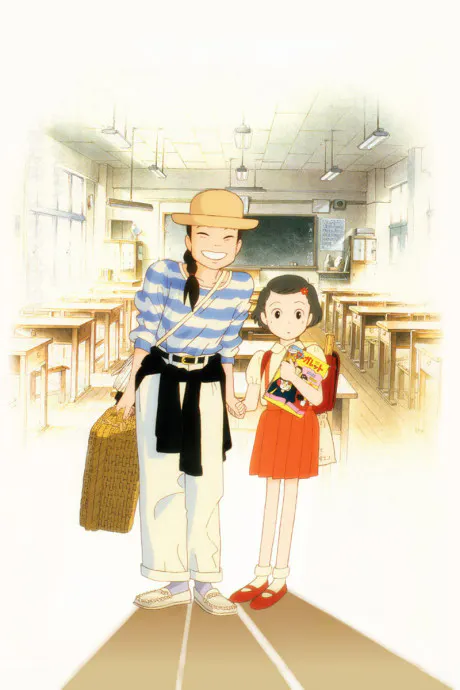
Movie · 1991 · Studio Ghibli · 73% on AniList · Sub & dub
Drama, Romance, Slice of Life
Miyazaki's partner and, in many ways, his teacher. Takahata directed Heidi, Girl of the Alps and Anne of Green Gables for TV, then Grave of the Fireflies, Only Yesterday, Pom Poko and his last film, The Tale of the Princess Kaguya, at Ghibli. Unlike Miyazaki, he changed his visual style almost every film, from realism to watercolor sketches, and he cared most about ordinary people's lives. He died in 2018. Our Isao Takahata guide goes through every film he directed and explains why so many critics rank him above Miyazaki.
The 1980s and 1990s: Otomo, Oshii, Anno, Kon and Ikuhara
Katsuhiro Otomo
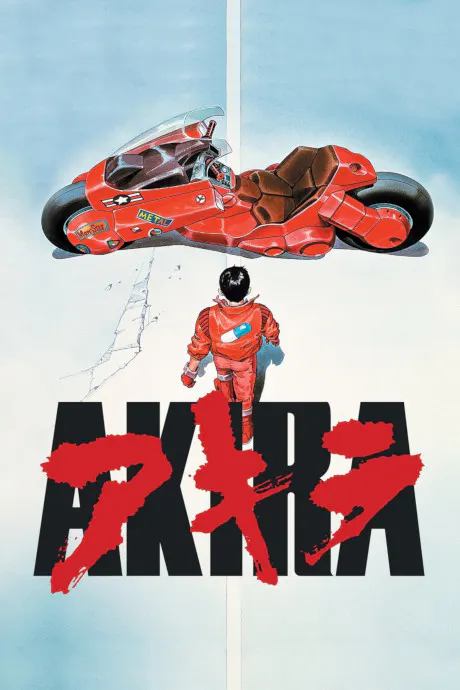
Movie · 1988 · Tokyo Movie Shinsha · 79% on AniList · Sub & dub
Action, Adventure, Horror
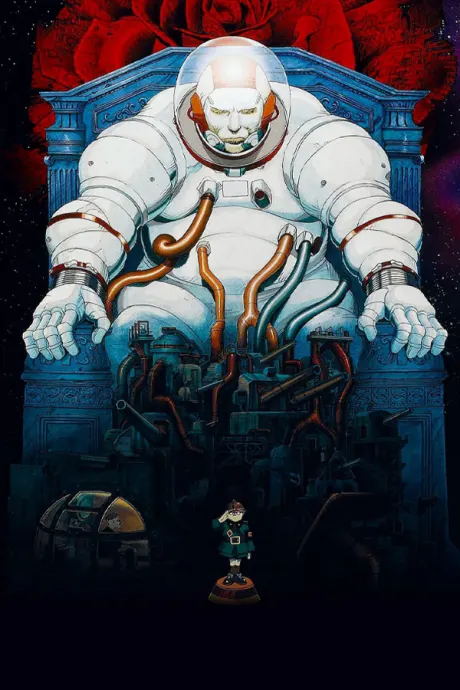
Movie · 1995 · Studio 4°C · 76% on AniList · Sub & dub
Adventure, Comedy, Drama
Movie · 2004 · Sunrise · 70% on AniList · Sub & dub
Action, Adventure, Drama
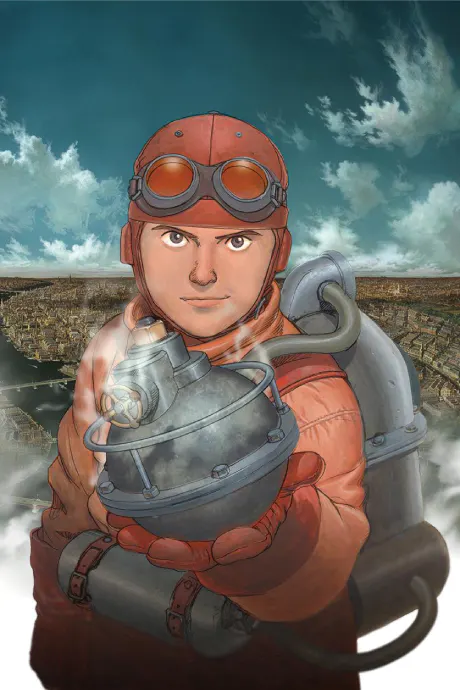
Otomo wrote and drew the manga Akira, then directed the 1988 film himself, and Akira changed how the world saw anime. Its detail, from the light trails of the motorcycles to the hand-drawn destruction of Neo-Tokyo, is still a benchmark. He has directed very few films since: a segment of the anthology Memories, which he also produced, and the steampunk adventure Steamboy. His influence runs through people he worked with, including Satoshi Kon. Our Katsuhiro Otomo guide covers all of it, and our anime like Akira list picks up from there.
Mamoru Oshii
Movie · 1995 · Production I.G · 80% on AniList · Sub & dub
Action, Psychological, Sci-Fi
Mobile Police Patlabor 2: The Movie
Movie · 1993 · Production I.G · 81% on AniList · Sub & dub
Drama, Mecha, Mystery
OVA · 1985 · 1 episodes · Studio DEEN · 76% on AniList · Sub & dub
Drama, Fantasy, Psychological
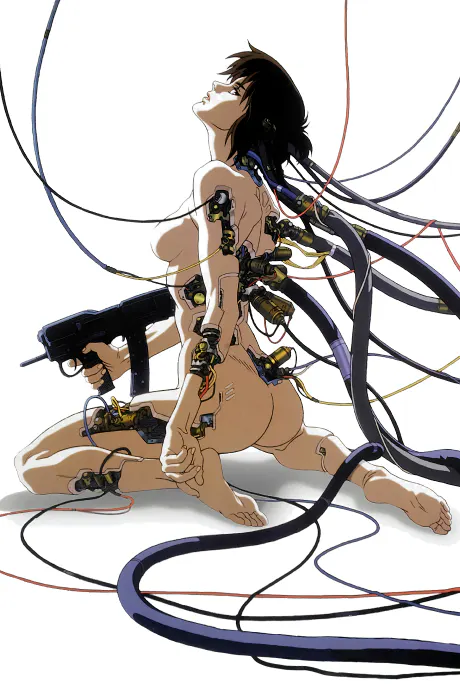
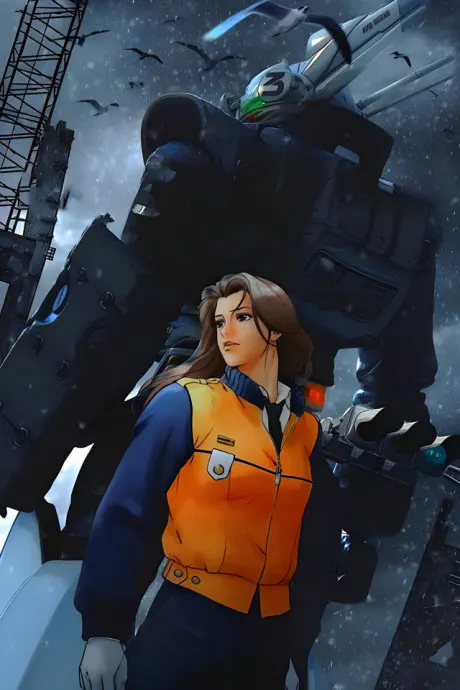
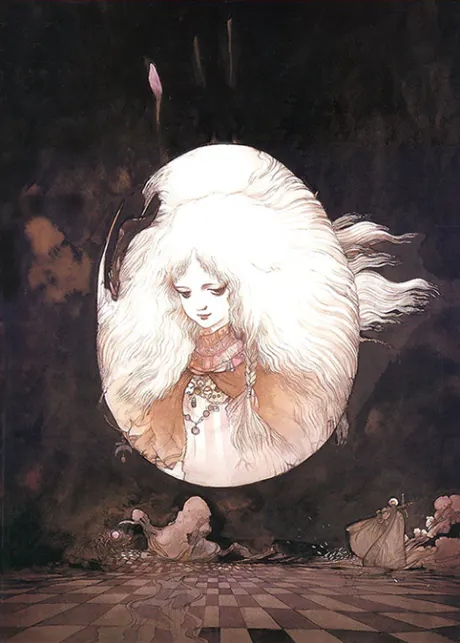
Oshii makes slow, serious films about identity and cities, full of long silent shots of rain, water and basset hounds. He started on Urusei Yatsura, then made the strange, wordless Angel's Egg with artist Yoshitaka Amano, the Patlabor films, starting with Patlabor: The Movie, and Ghost in the Shell (1995), which became one of the most influential anime films ever made. Patlabor 2 is his most underrated, a political thriller about a fake coup in Tokyo. Our Mamoru Oshii guide explains where to start, and our Ghost in the Shell watch order sorts out how his films fit with the rest of the franchise.
Hideaki Anno
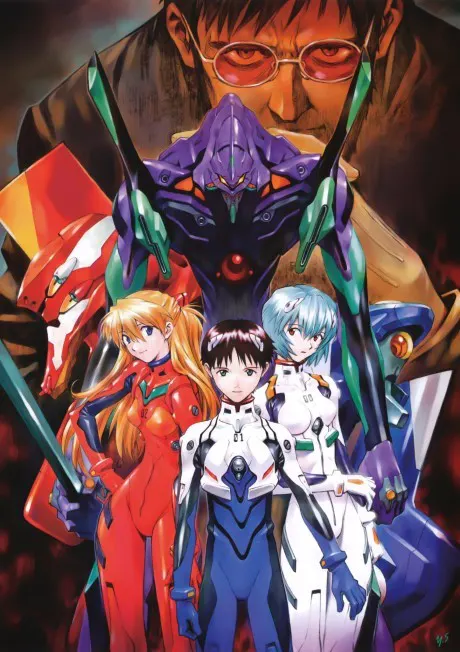
TV · 1995 · 26 episodes · GAINAX · 83% on AniList · Sub & dub
Action, Drama, Mecha
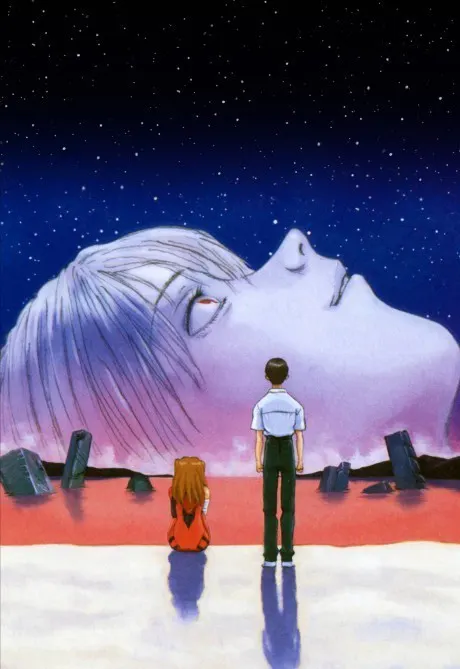
Neon Genesis Evangelion: The End of Evangelion
Movie · 1997 · GAINAX · 86% on AniList · Sub & dub
Action, Drama, Mecha
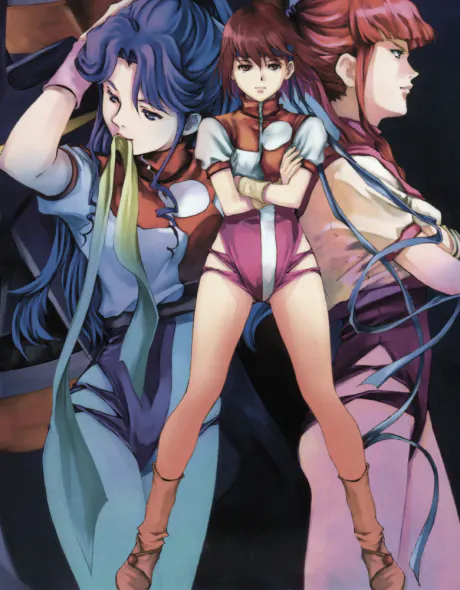
OVA · 1988 · 6 episodes · GAINAX · 77% on AniList · Sub & dub
Action, Drama, Mecha
Anno started as an animator; he drew the God Warrior scene in Nausicaä. He made his directing debut with the OVA Gunbuster at Gainax, then created Neon Genesis Evangelion (1995), a giant robot show that turned into a study of depression and loneliness, and The End of Evangelion, its notorious film ending. He then spent fourteen years remaking it as the Rebuild films at his own Studio Khara, finishing with Thrice Upon a Time in 2021, and co-directed the live-action Shin Godzilla. Our Hideaki Anno guide covers his work beyond Eva, and the Evangelion watch order and our Evangelion order explainer sort out the series and films.
Satoshi Kon
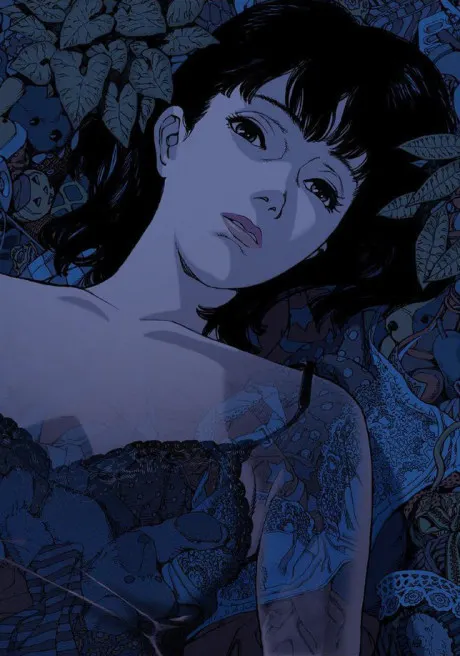
Movie · 1998 · MADHOUSE · 85% on AniList · Sub & dub
Drama, Horror, Psychological
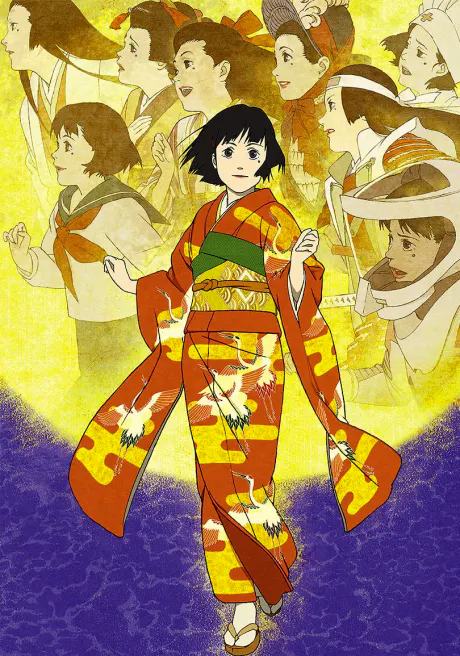
Movie · 2002 · MADHOUSE · 81% on AniList · Sub & dub
Drama, Fantasy, Romance
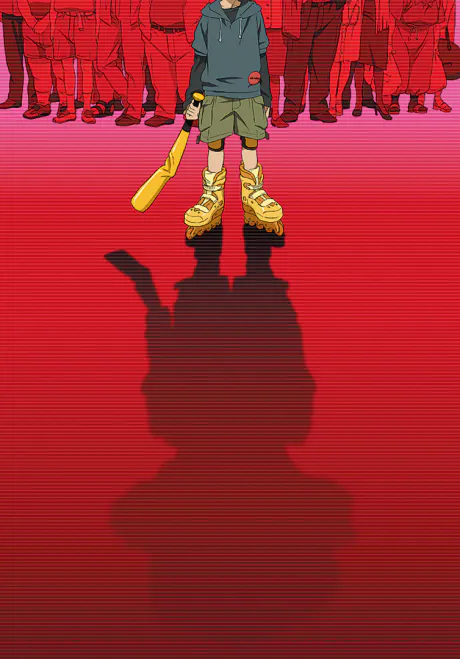
TV · 2004 · 13 episodes · MADHOUSE · 76% on AniList · Sub & dub
Drama, Mystery, Psychological
Kon made four films and one series at Madhouse before he died in 2010, aged 46, and almost all of them are classics. His work blurs dreams, memories, films and real life until you can't tell them apart, held together by some of the most inventive editing in animation. Perfect Blue is a terrifying thriller about a pop idol, Millennium Actress is a joyful history of Japanese film, and Paranoia Agent is his one TV series, about a boy with a bat who may not exist. Our Satoshi Kon guide ranks all five and tells you which to watch first.
Kunihiko Ikuhara
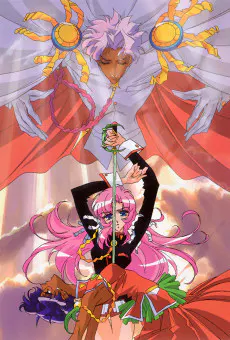
TV · 1997 · 39 episodes · J.C.STAFF · 83% on AniList · Sub & dub
Action, Drama, Fantasy
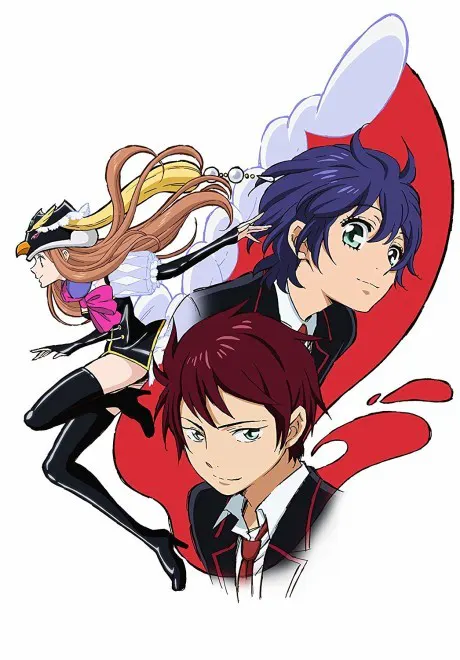
TV · 2011 · 24 episodes · Brain's Base · 79% on AniList · Sub & dub
Drama, Mystery, Psychological
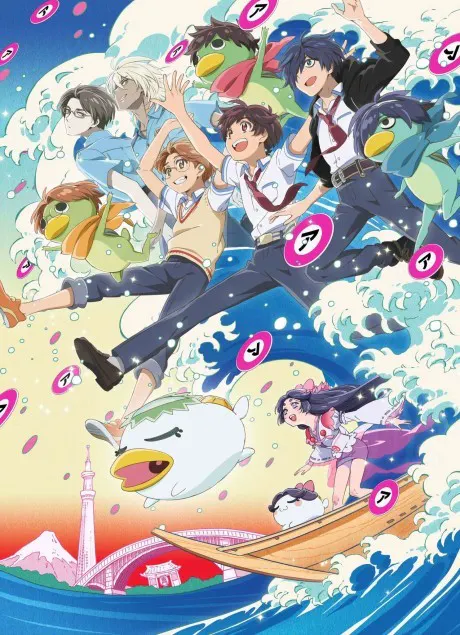
TV · 2019 · 11 episodes · MAPPA · 73% on AniList · Sub & dub
Comedy, Drama, Fantasy
Ikuhara directed seasons of Sailor Moon, then made Revolutionary Girl Utena (1997), a fairy tale about a girl who wants to be a prince that became a landmark in queer anime. His later originals, Penguindrum, Yurikuma Arashi and Sarazanmai, use the same tools: repeated transformation scenes, symbols, theater staging and stories about who gets left out. They're puzzling and they reward patience. Our Kunihiko Ikuhara guide explains how to read him, and our Sailor Moon watch order shows where his seasons fall.
The TV generation: Watanabe and Yuasa
Shinichiro Watanabe
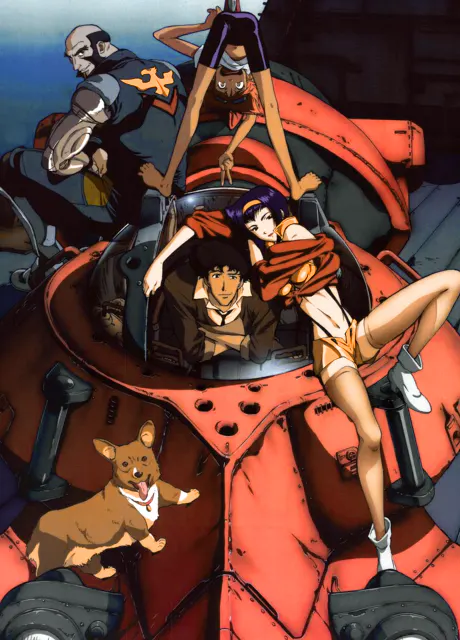
TV · 1998 · 26 episodes · Sunrise · 86% on AniList · Sub & dub
Action, Adventure, Drama
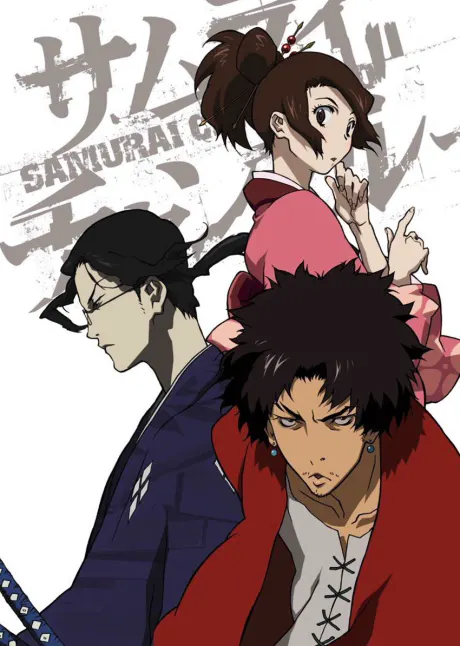
TV · 2004 · 26 episodes · Manglobe · 84% on AniList · Sub & dub
Action, Adventure, Comedy
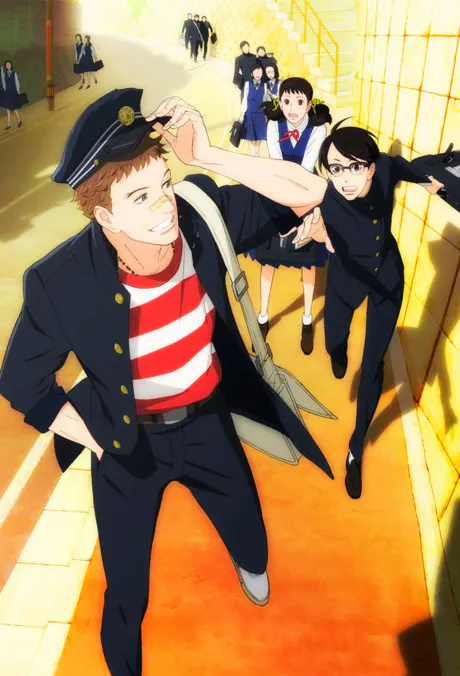
TV · 2012 · 12 episodes · MAPPA · 80% on AniList · Sub & dub
Drama, Music, Romance
Watanabe's shows are built around music. Cowboy Bebop runs on Yoko Kanno's jazz, Samurai Champloo on hip-hop, Kids on the Slope on 1960s jazz sessions, and Carole & Tuesday, which he supervised, on pop. He likes episodic stories with loose, cool characters and an ending that hurts. More recently he directed Terror in Resonance and the 2025 action series Lazarus. Our Shinichiro Watanabe guide covers every show he made and the music behind each, and if you've already finished Bebop, our anime like Cowboy Bebop list is the next step.
Masaaki Yuasa
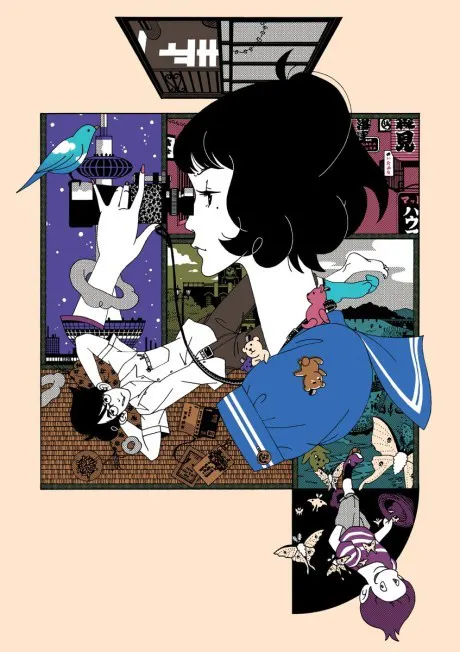
TV · 2010 · 11 episodes · MADHOUSE · 84% on AniList · Sub
Comedy, Mystery, Psychological
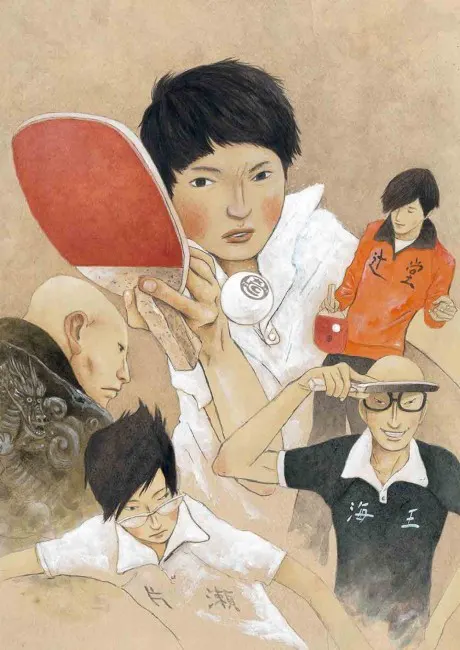
TV · 2014 · 11 episodes · Tatsunoko Production · 86% on AniList · Sub & dub
Drama, Psychological, Sports
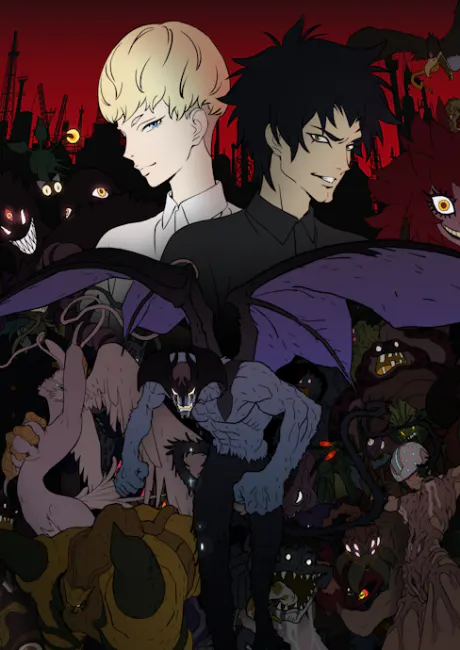
ONA · 2018 · 10 episodes · Science SARU · 76% on AniList · Sub & dub
Action, Drama, Horror
Yuasa's animation looks like nobody else's: rubbery, sketchy bodies that stretch and run like water. He made the cult film Mind Game in 2004, then The Tatami Galaxy and Ping Pong the Animation, before co-founding Science SARU in 2013. From there came Devilman Crybaby, Keep Your Hands Off Eizouken! and Inu-Oh. He stepped down as head of the studio in 2020. Our Masaaki Yuasa guide ranks his work, and our best Science SARU anime list covers the studio he started.
The current generation: Shinkai, Hosoda and Yamada
Makoto Shinkai
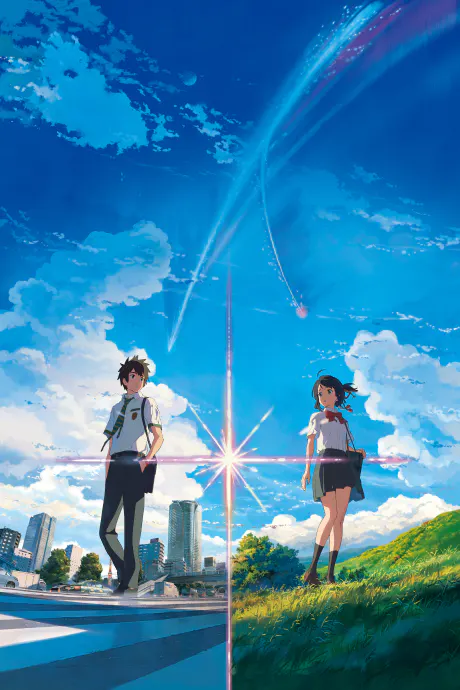
Movie · 2016 · CoMix Wave · 85% on AniList · Sub & dub
Drama, Romance, Supernatural
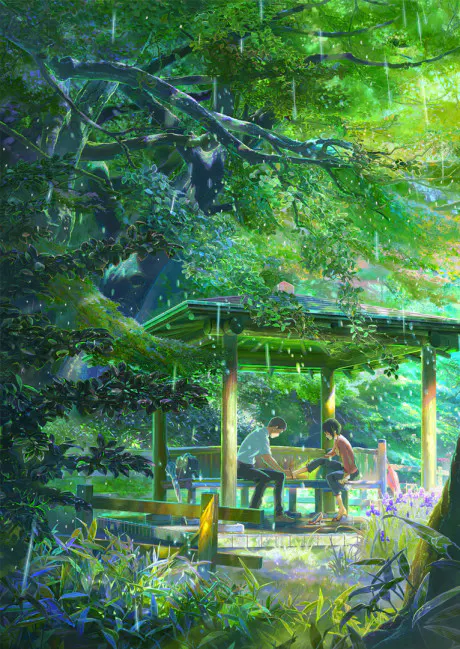
Movie · 2013 · CoMix Wave · 75% on AniList · Sub & dub
Drama, Psychological, Romance
Shinkai made his breakout short, Voices of a Distant Star, almost alone on a home computer. Two decades later, Your Name made him one of the biggest directors in the world. His films are about distance between two people, drawn with lens flares, rain and painted skies that fans travel to Tokyo to find. The Garden of Words is the best short introduction. Our Makoto Shinkai movies ranked list covers every film and short of his we stream, from his first short to Suzume.
Mamoru Hosoda
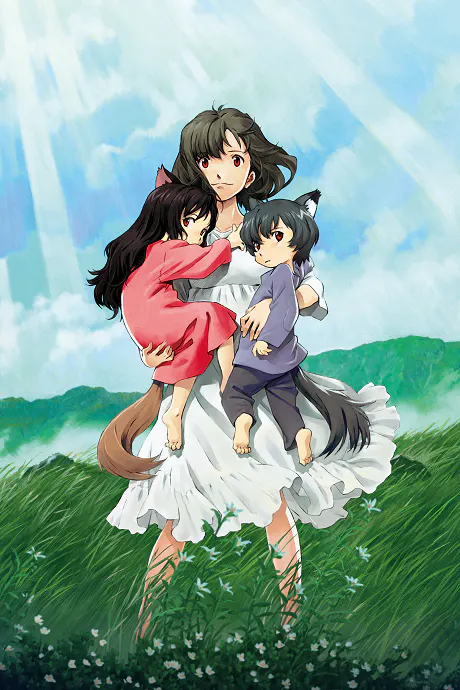
Movie · 2012 · MADHOUSE · 83% on AniList · Sub & dub
Drama, Fantasy, Romance
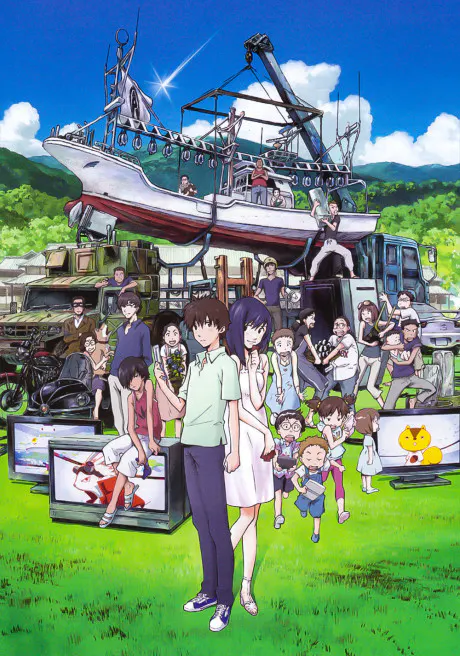
Movie · 2009 · MADHOUSE · 77% on AniList · Sub & dub
Action, Comedy, Drama
Hosoda directs films about families: a single mother raising children who are half wolf in Wolf Children, a huge clan saving the internet in Summer Wars. He started at Toei with Digimon, made his name at Madhouse with The Girl Who Leapt Through Time, and has run his own Studio Chizu since 2011. His films look clean and bright, and his scripts can wobble, which our Mamoru Hosoda movies ranked list is honest about, all the way through 2025's Scarlet.
Naoko Yamada
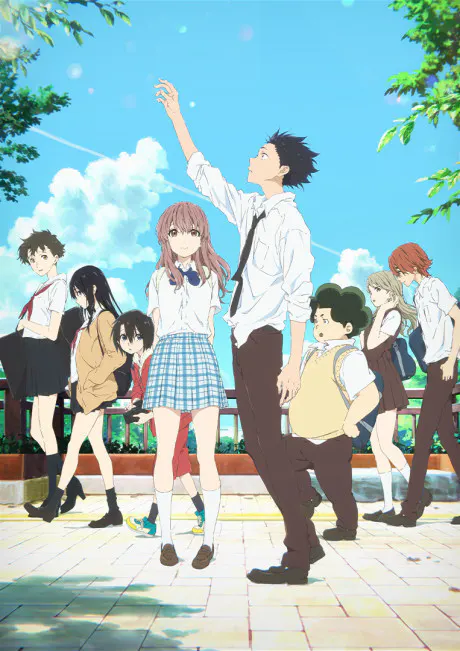
Movie · 2016 · Kyoto Animation · 88% on AniList · Sub & dub
Drama, Romance, Slice of Life
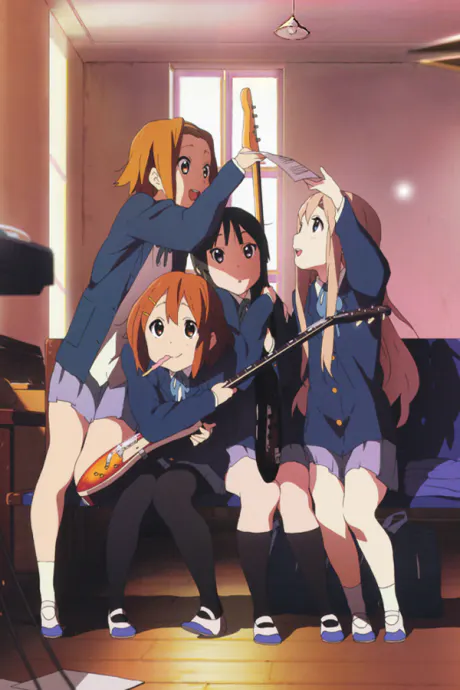
TV · 2009 · 13 episodes · Kyoto Animation · 78% on AniList · Sub & dub
Comedy, Music, Slice of Life
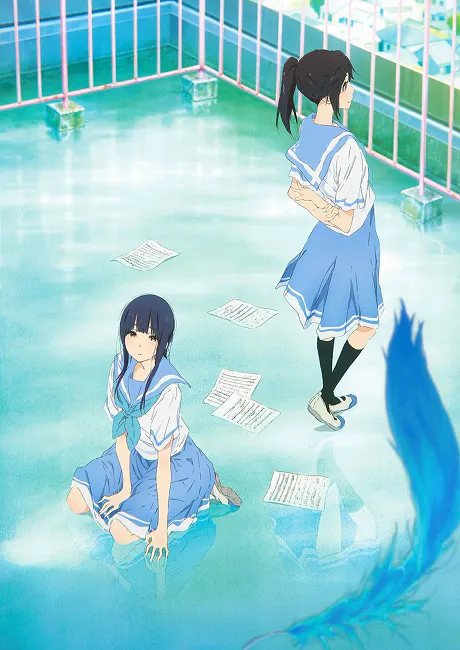
Movie · 2018 · Kyoto Animation · 83% on AniList · Sub & dub
Drama, Music, Slice of Life
Yamada directed K-ON! at Kyoto Animation in her twenties, then A Silent Voice, one of the most loved anime films of the 2010s, and Liz and the Blue Bird. She films people the way a live-action director would, watching hands, feet and glances instead of faces. She has since worked with Science SARU on The Heike Story and the film The Colors Within. Our Naoko Yamada guide goes through all of it, and our best Kyoto Animation anime list covers the studio where she started.
The writers: Gen Urobuchi and Mari Okada
Gen Urobuchi
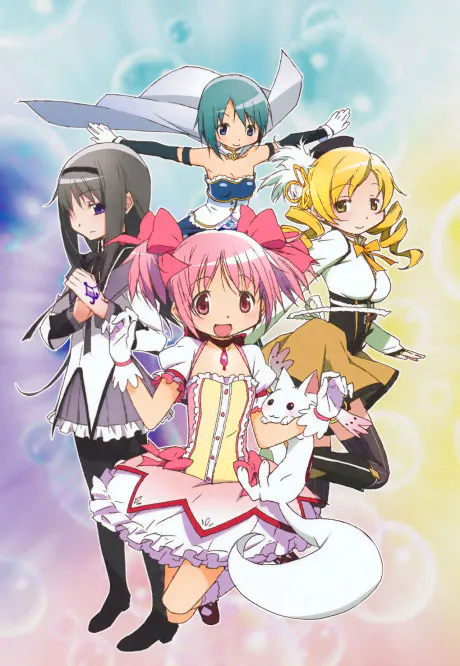
TV · 2011 · 12 episodes · Shaft · 83% on AniList · Sub & dub
Action, Drama, Fantasy
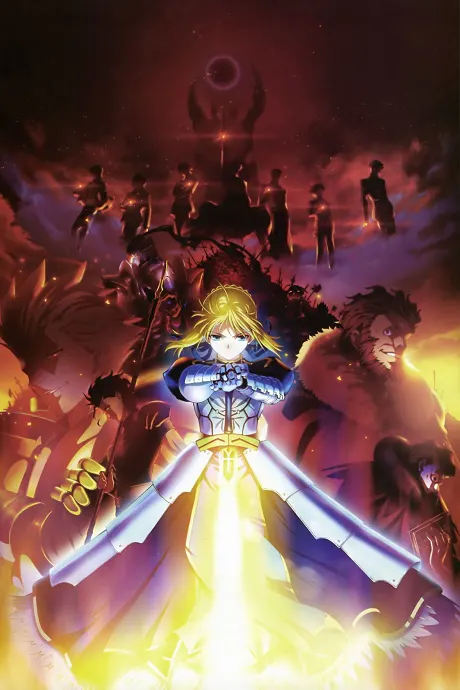
TV · 2011 · 13 episodes · ufotable · 81% on AniList · Sub & dub
Action, Drama, Fantasy
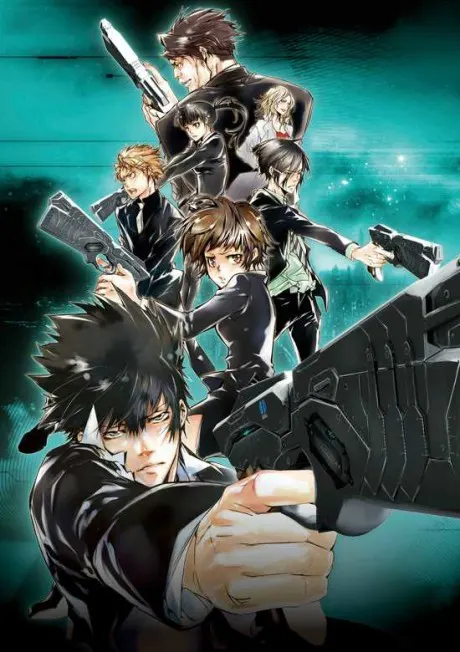
TV · 2012 · 22 episodes · Production I.G · 81% on AniList · Sub & dub
Action, Psychological, Sci-Fi
Urobuchi came from the visual novel company Nitroplus, and fans call him "Urobutcher" for a reason: his stories take a cheerful premise and find the worst way it can go. He wrote the original script for Puella Magi Madoka Magica, the light novels behind Fate/Zero and the first season of Psycho-Pass. His characters argue about ethics while they fight, and the arguments often matter more than the fights. Our Gen Urobuchi guide covers the rest, from Gargantia to his puppet series Thunderbolt Fantasy. For the order of his franchises, see the Madoka Magica, Fate and Psycho-Pass watch orders.
Mari Okada
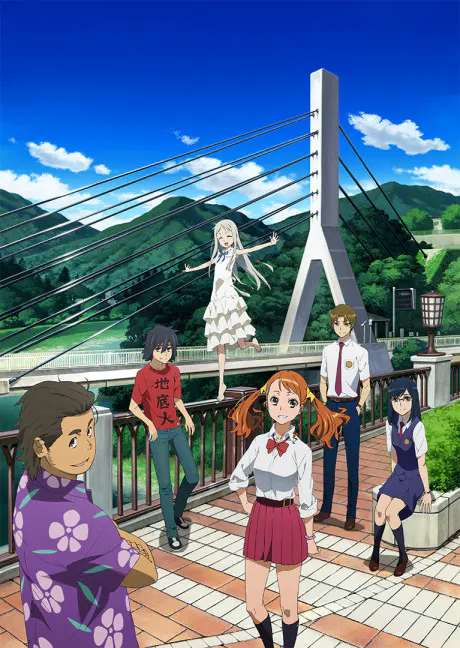
Anohana: The Flower We Saw That Day
TV · 2011 · 11 episodes · A-1 Pictures · 80% on AniList · Sub & dub
Drama, Romance, Slice of Life
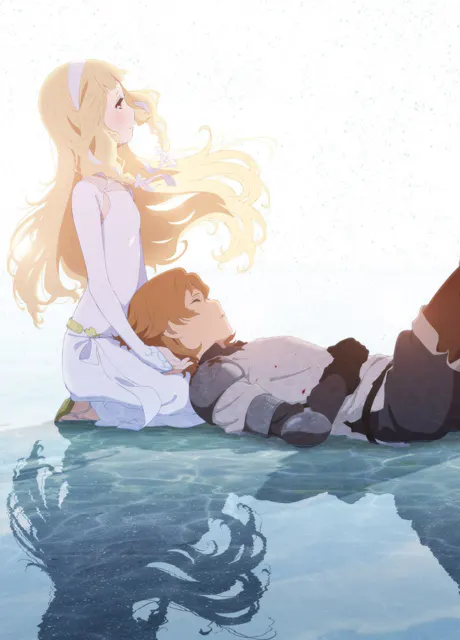
Maquia: When the Promised Flower Blooms
Movie · 2018 · P.A.WORKS · 82% on AniList · Sub & dub
Drama, Fantasy, Psychological
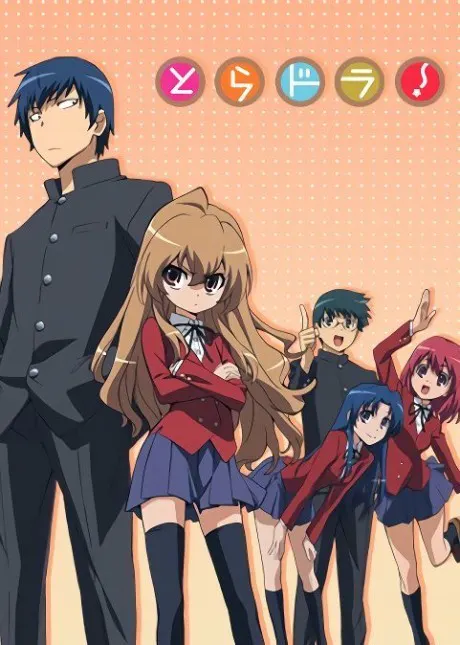
TV · 2008 · 25 episodes · J.C.STAFF · 77% on AniList · Sub & dub
Comedy, Drama, Romance
Okada writes about feelings people can't say out loud: grief, teenage desire, the friend you lost. She wrote Anohana, handled series composition on Toradora!, Hanasaku Iroha and Mobile Suit Gundam: Iron-Blooded Orphans, and made her directing debut with Maquia: When the Promised Flower Blooms in 2018. Her shows are often called melodramatic, and she has never pretended otherwise. Our Mari Okada guide sorts the essential from the messy, and our Gundam watch order explains where Iron-Blooded Orphans sits in that franchise.
More directors worth knowing
Fourteen names leave out a lot of people. Two more whose credits are worth looking for:
- Hiroyuki Imaishi directed Gurren Lagann at Gainax, then co-founded Studio Trigger and directed Kill la Kill and Cyberpunk: Edgerunners. Loud, fast and proud of it; our best Trigger anime list covers the studio.
- Tetsuro Araki directed Death Note and oversaw the first three seasons of Attack on Titan, which are as much about camera movement as story. The Attack on Titan watch order shows how the seasons break down.
How to use this guide
- Start with what you already love. If you loved Cowboy Bebop, Watanabe's other shows are the safest next step. If Your Name made you cry, try Hosoda before Kon.
- Watch one film, then one series. Most of these creators work in both, and the formats show different sides of them.
- Check the credits. Show pages on MyAnimeVerse list the studio, and once you know a director's name, you will start to spot their shows in our full catalogue.
- Leave room for luck. Our Discover feed shuffles well-liked shows and films and plays the first episode of each. It's a good way to run into a director you haven't tried yet.
Many of these creators also have new work airing. Check the schedule for what's on now.
All our creator guides
Every guide in this series, with what each covers:
- Hayao Miyazaki films guide: his career from Lupin III and Future Boy Conan to The Boy and the Heron, organized by theme rather than ranked.
- Isao Takahata guide: every Takahata film and series, from Heidi to Princess Kaguya, and why he matters as much as Miyazaki.
- Katsuhiro Otomo guide: Akira, Memories, Steamboy and the films he wrote for others.
- Mamoru Oshii guide: Ghost in the Shell, Patlabor, Angel's Egg and how to approach his slow, philosophical style.
- Hideaki Anno guide: Evangelion, Gunbuster, Nadia, His and Her Circumstances and the Rebuild films.
- Satoshi Kon guide: all four of his films and Paranoia Agent ranked, plus his writing for Memories.
- Kunihiko Ikuhara guide: Utena, Penguindrum, Yurikuma Arashi and Sarazanmai, and how to read their symbols.
- Shinichiro Watanabe guide: Cowboy Bebop to Lazarus, and the music behind each show.
- Masaaki Yuasa guide: Mind Game, The Tatami Galaxy, Ping Pong, Devilman Crybaby and his Science SARU films.
- Makoto Shinkai movies ranked: every Shinkai film and short we stream, from Voices of a Distant Star to Suzume.
- Mamoru Hosoda movies ranked: all ten Hosoda films, including his Digimon and One Piece work and Scarlet.
- Naoko Yamada guide: K-ON!, A Silent Voice, Liz and the Blue Bird and her work after Kyoto Animation.
- Gen Urobuchi guide: Madoka Magica, Fate/Zero, Psycho-Pass and the rest of the writer's dark streak.
- Mari Okada guide: Anohana, Toradora!, Maquia and the shows she wrote, with a note on which ones divide fans.
If you'd rather browse by mood than by maker, our anime for every mood guide is the other way in, and our best anime of all time list features work from nearly every creator above. You can also browse drama, sci-fi and psychological anime directly.